





Diabetes and pancreatic
regenerative medicine/stem cell therapy DIABETES MELLITUS

  • HOME
  • Treatment
  • Diabetes and pancreatic
    regenerative medicine/stem cell therapy

A new option for diabetes: regenerative medicine

Our unique
treatment

Is regenerative medicine effective in treating diabetes?
Is it true that it can lower blood sugar levels and prevent complications? A doctor explains.

What you can no longer do, you can do again.

Characteristics of our regenerative medicine

Previous treatments have only been able to slow
the progression of diabetes, but
regenerative medicine has the potential to fundamentally improve
diabetes! !

We aim to regenerate and repair the pancreas and blood vessels by administering stem cells cultured from your own fat.
This method restores your own "ability to lower blood sugar" and treat diabetes.

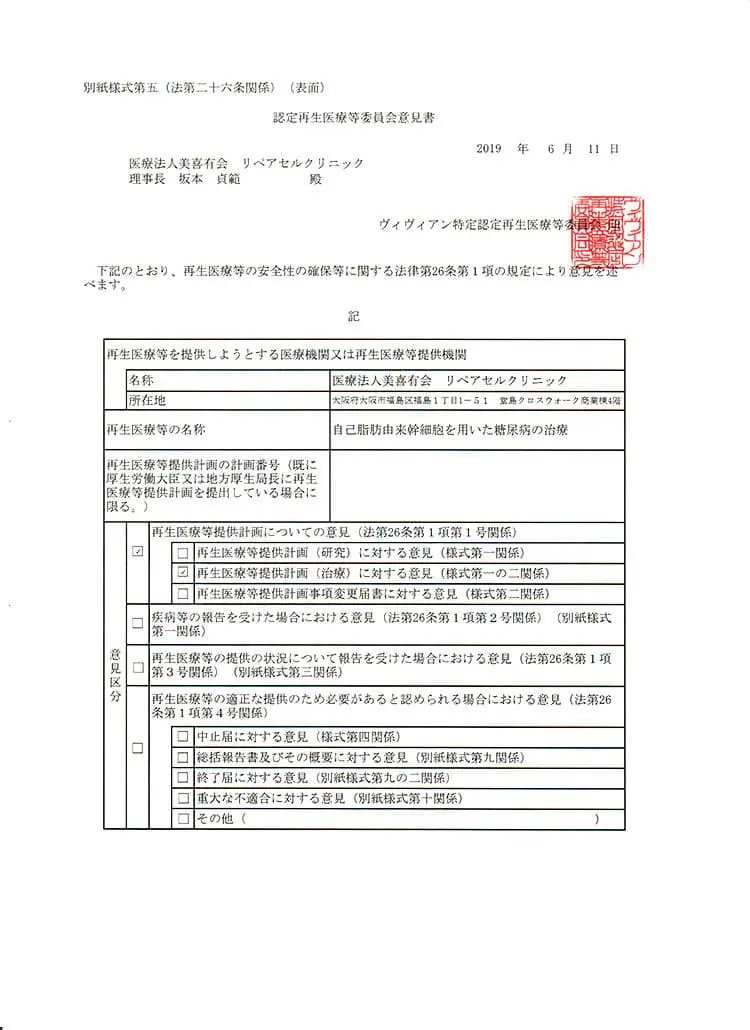
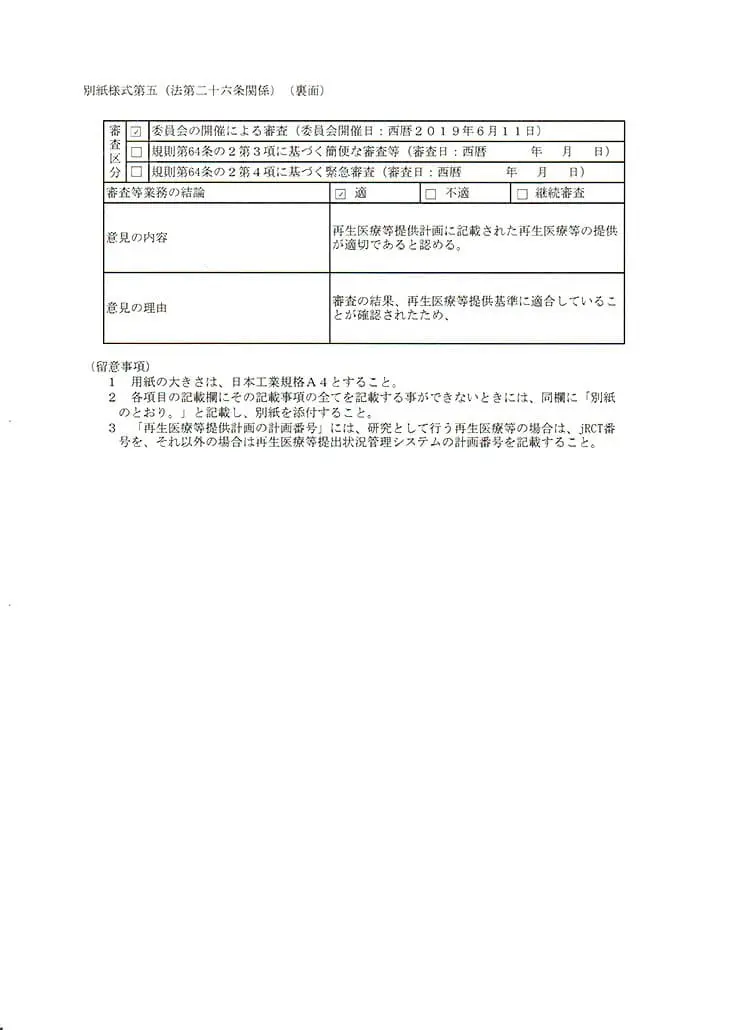
Notified to and accepted by the Ministry of Health, Labour and Welfare
What is regenerative medicine for diabetes in our hospital?

Intravenous administration of stem cells

Adipose-derived stem cells administered to the patient regenerate and repair damaged areas due to their ability to accumulate in damaged tissues (homing effect). The same principle is applied to the pancreas, where stem cells are delivered through the bloodstream. This infusion therapy using stem cells is one of the few such therapies available in Japan, and our clinic has submitted a plan to provide "regenerative medicine for diabetes" to the Ministry of Health, Labour and Welfare, which has been accepted.

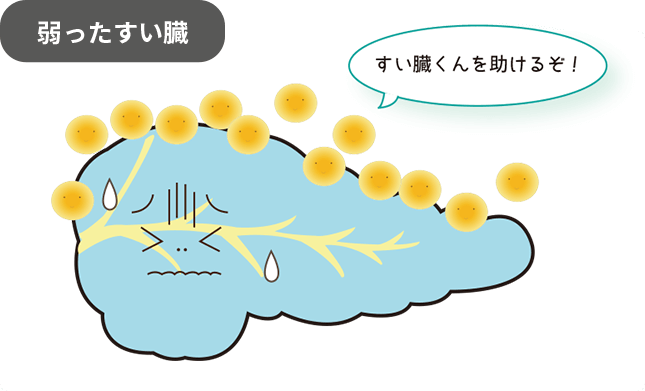
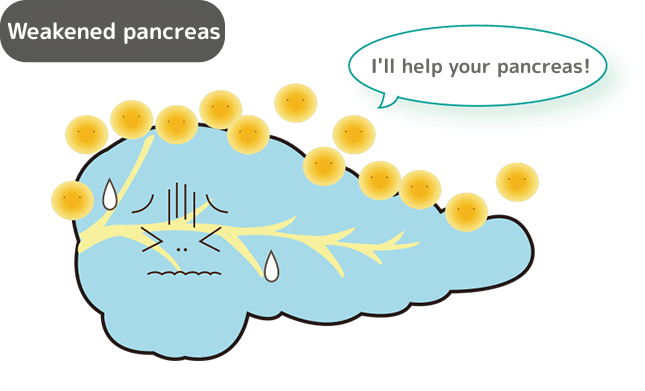
If your pancreas gets better with stem cells,
your blood sugar control will improve!

Improvement by intravenous administration of stem cells
weakened pancreas weakened pancreas
100 million stem cells administered repair weakened organs
arrow sp
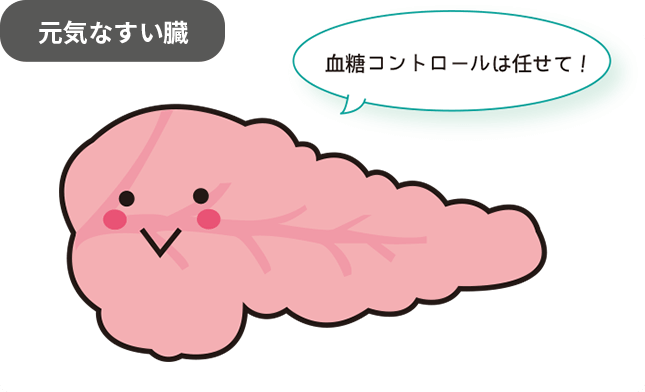
Vigorous pancreas Vigorous pancreas
Organs are energized!

Differences between common treatments and regenerative medicine

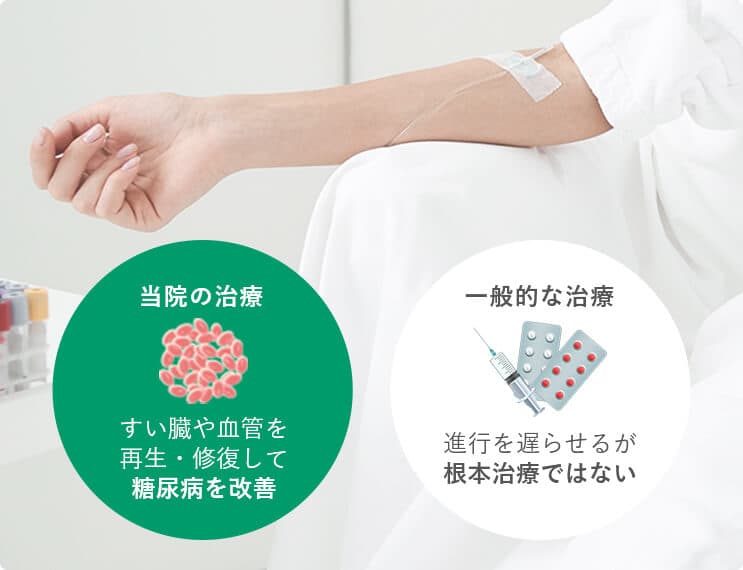
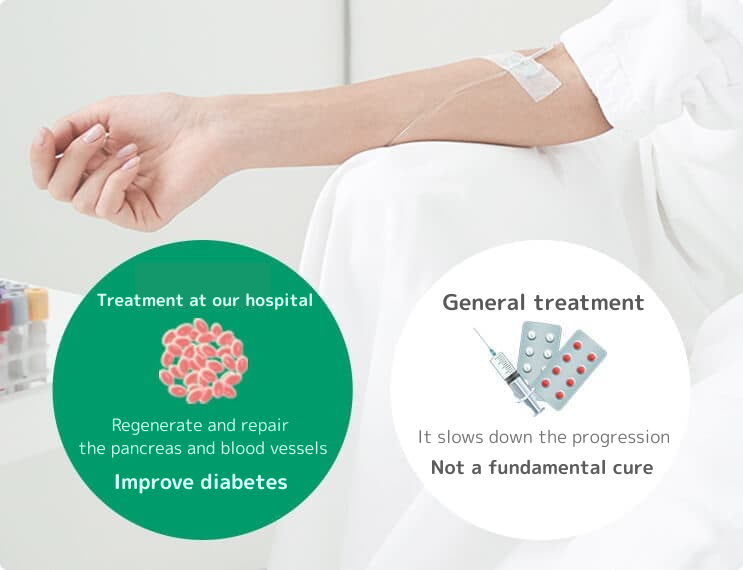
Although oral therapy and insulin injections are effective in delaying the progression of diabetes, they are not fundamental treatment modalities.

Stem cell therapy regenerative medicine can regenerate and repair the pancreas and blood vessels, increase insulin secretion, and promote the absorption of sugar in blood vessels. Furthermore, it is expected to improve complications by suppressing inflammation associated with diabetes.

So when stem cells regenerate and repair the pancreas and blood vessels,
pancreas function is restored and blood sugar levels
improve!

Even treatments that are difficult to treat with medication or injections
can be effective with stem cells!

Our treatment: regenerate and repair pancreas and blood vessels to improve diabetes Our treatment: regenerate and repair pancreas and blood vessels to improve diabetes

*Administration of stem cells through intravenous infusion has the advantage that the homing effect can also regenerate and repair other weakened organs.

Check out
here for the treatment benefits you can expect!
  • No need for insulin injections, fewer injections
  • Reduce the amount of oral medications, or stop taking them.
  • Those who have not seen improvement with diet and exercise therapy can also benefit from
  • Symptoms of complications improve.
  • Numbness in hands and feet improves.
  • Diabetic retinopathy improves
  • Renal function improves

Cases of significant improvement in blood glucose levels have been reported as a result of stem cell therapy for diabetes. Although we cannot guarantee a cure because of individual differences, this unconventional therapy is expected to have a variety of benefits.

Regenerative medicine for diabetes" is attracting attention as a treatment that can be expected to fundamentally improve diabetes, which until now has been considered difficult to cure.

Amazing!!!
It's a treatment that has never been done before,
that can improve a variety of symptoms!

Dr. Sakamoto is also on YouTube! Check out his regenerative medicine channel. Dr. Sakamoto is also on YouTube! Check out his regenerative medicine channel.

Regenerative Medicine for Diabetes: Overcoming Diabetic Retinopathy with High Risk of Blindness
Preventing Complications

Our Stem Cell Strengths

Characteristics of our hospital (1)

A New Stage in Stem Cell Therapy
Regenerative Medicine Moves into the Era of Differentiation Induction|Joint Therapy

Regenerative medicine using differentiation induction enables more extensive repair of articular cartilage, meniscus, and osteonecrotic areas.

Delivering what you need where you need it (differentiation induction)
"The Next Generation of Regenerative Medicine"

A New Stage of Stem Cell Therapy
The Next Generation of "Regenerative Medicine " for Joints by Differentiation Induction

In our body, there are "stem cells," that can change into various forms like a fertilized egg.

For example, it can transform itself into nerves, blood vessels, bones, blood, muscles, etc.

This ability to transform is called differentiation..

I see that stem cells can differentiate into various tissues such as nerves, blood vessels, bone, blood, muscle, etc.

Stem cell differentiation

The process of guiding stem cells that change into various forms to differentiate into specific tissues such as bones and nerves is called "induction of differentiation.

By inducing differentiation, the administered stem cells can be fully utilized, thereby increasing the regenerative capacity of the targeted tissue.

By inducing stem cells to differentiate into
specific tissues, such as nerve or bone, you can increase the regenerative capacity of the
tissue you want to repair!

Induction of stem cell differentiation

Safety and Security

In this differentiation induction process, we do not use any chemical substances or manipulate genes. We use the power of our own cells, so you can receive our treatment with peace of mind.


regenerative medicine for joints by induction of differentiation

The cartilage of the joints has a foundation, which is called the subchondral bone (nankotsukakotsu).

By differentiating and inducing stem cells in this subchondral bone, it is now possible to prepare the foundation and generate a lot of cartilage on top of it, and also to maximize the effect on pain.

In order to regenerate cartilage in the joints, it is important to prepare the "subchondral bone,"
which is the foundation of the cartilage?

Regenerative medicine of joints by induction of differentiation

Characteristics of our hospital (2)

The quality of
stem cells is high because they are cultured without freezing.

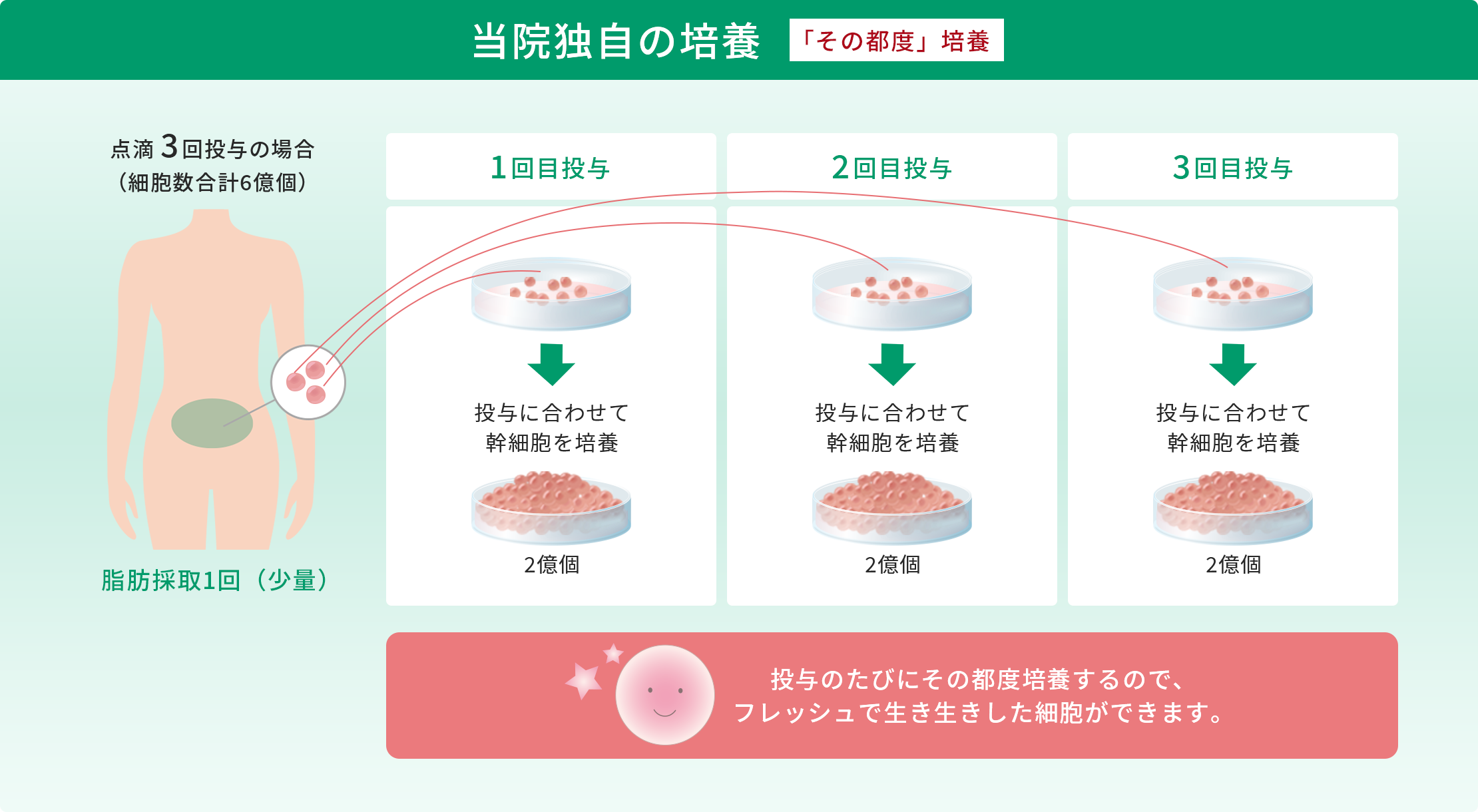
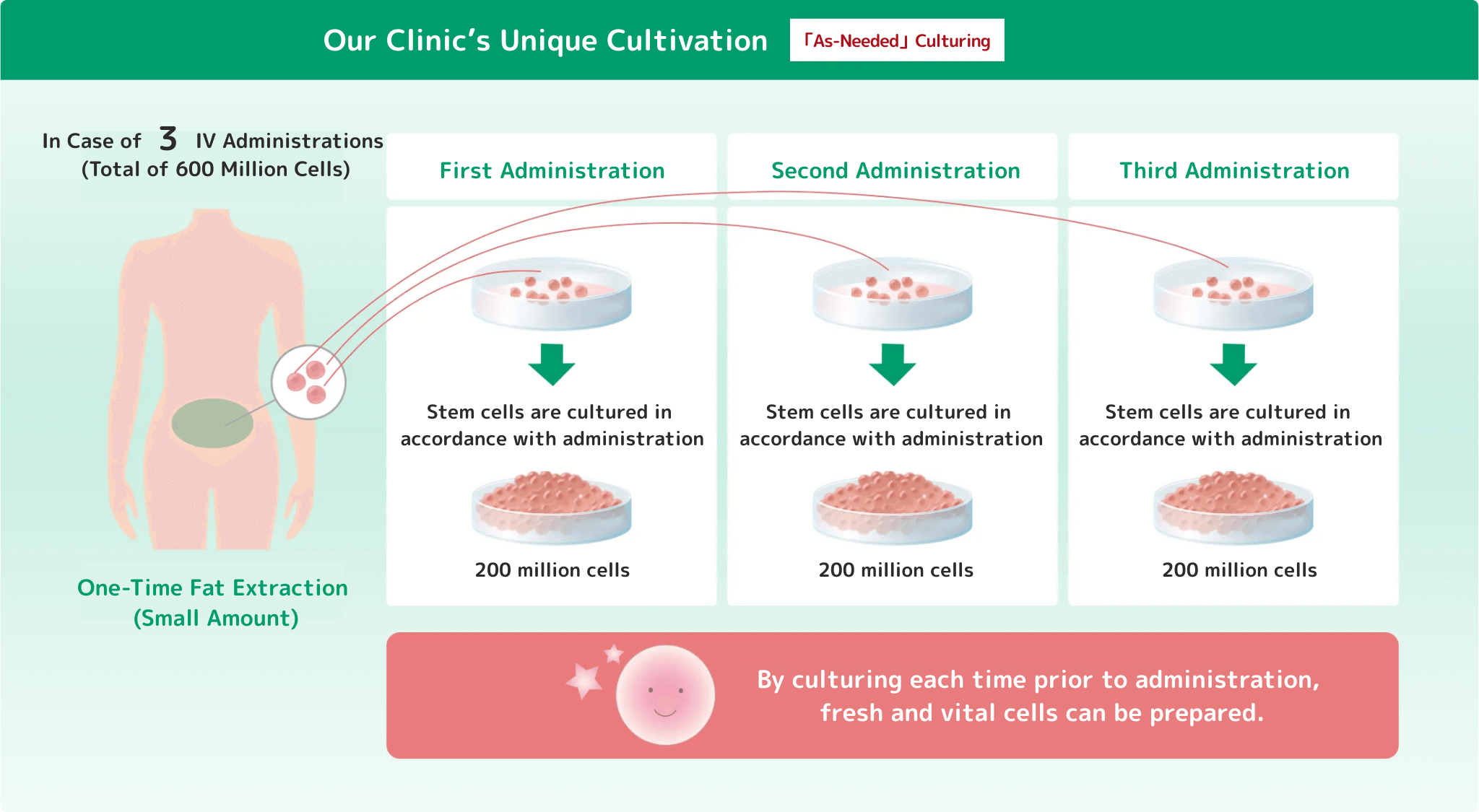
Since the stem cells are cultured each time they are administered without freezing, they boast a high survival rate.

Our original culture, "as-is" culture

It's actually time-consuming to culture them "each time" as they are administered. But we use this method because it increases the survival rate at the time of administration!

Freshly cultured cells are fresh and lively! It is unique to our hospital that cells with high survival and activity rates can be administered every time.

Our original culture, "as-is" culture

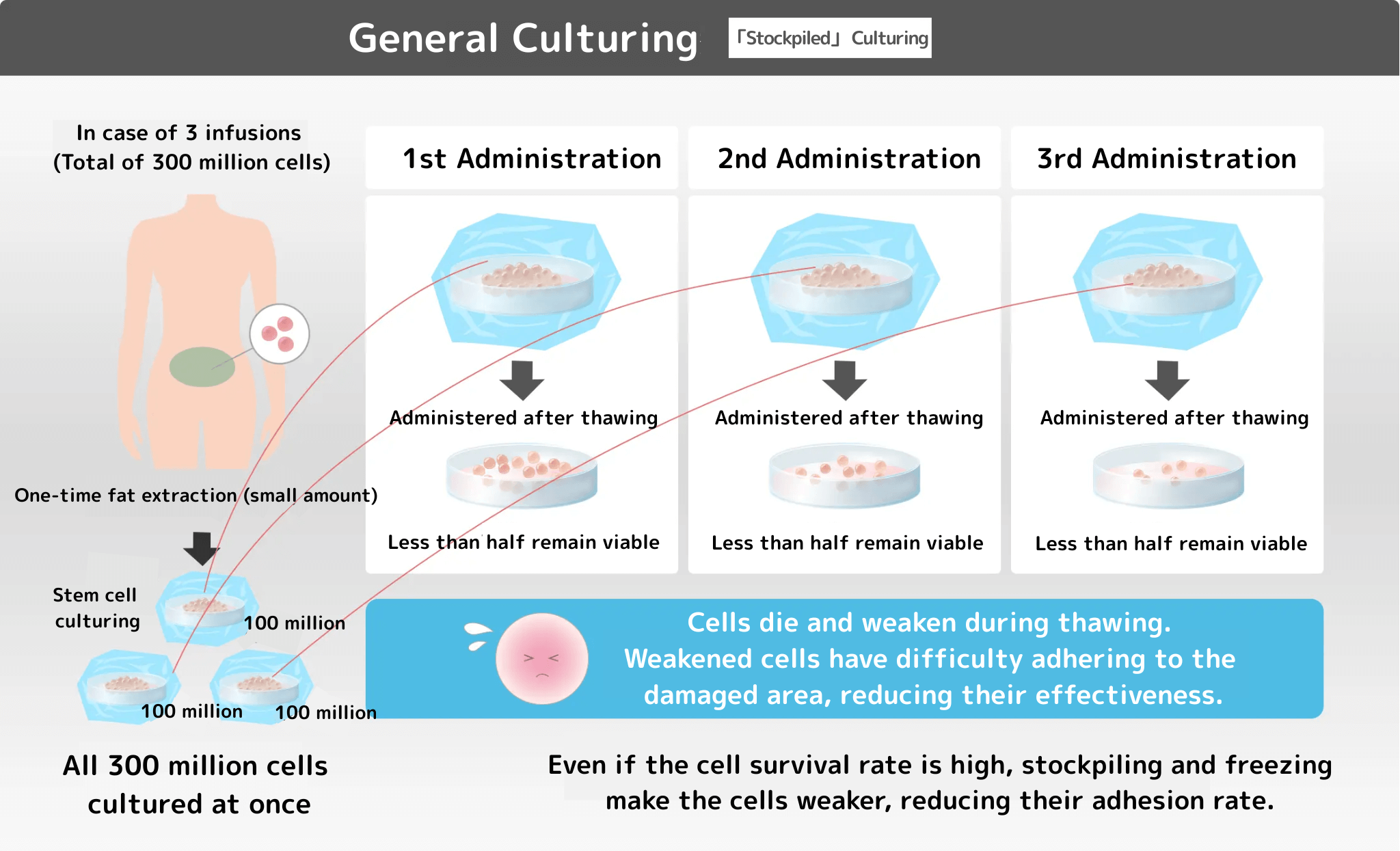
As the cryopreservation period increases, the cells gradually die, and the surviving cells also lose quality.

Foods also lose their taste and quality when frozen!
It is best to use "freshly prepared" food made "at the time of use" for both cooking and cellular products!

Exactly! I would say that the quality of our unique "on-the-spot" culture is completely different from the general "make-ready" culture.

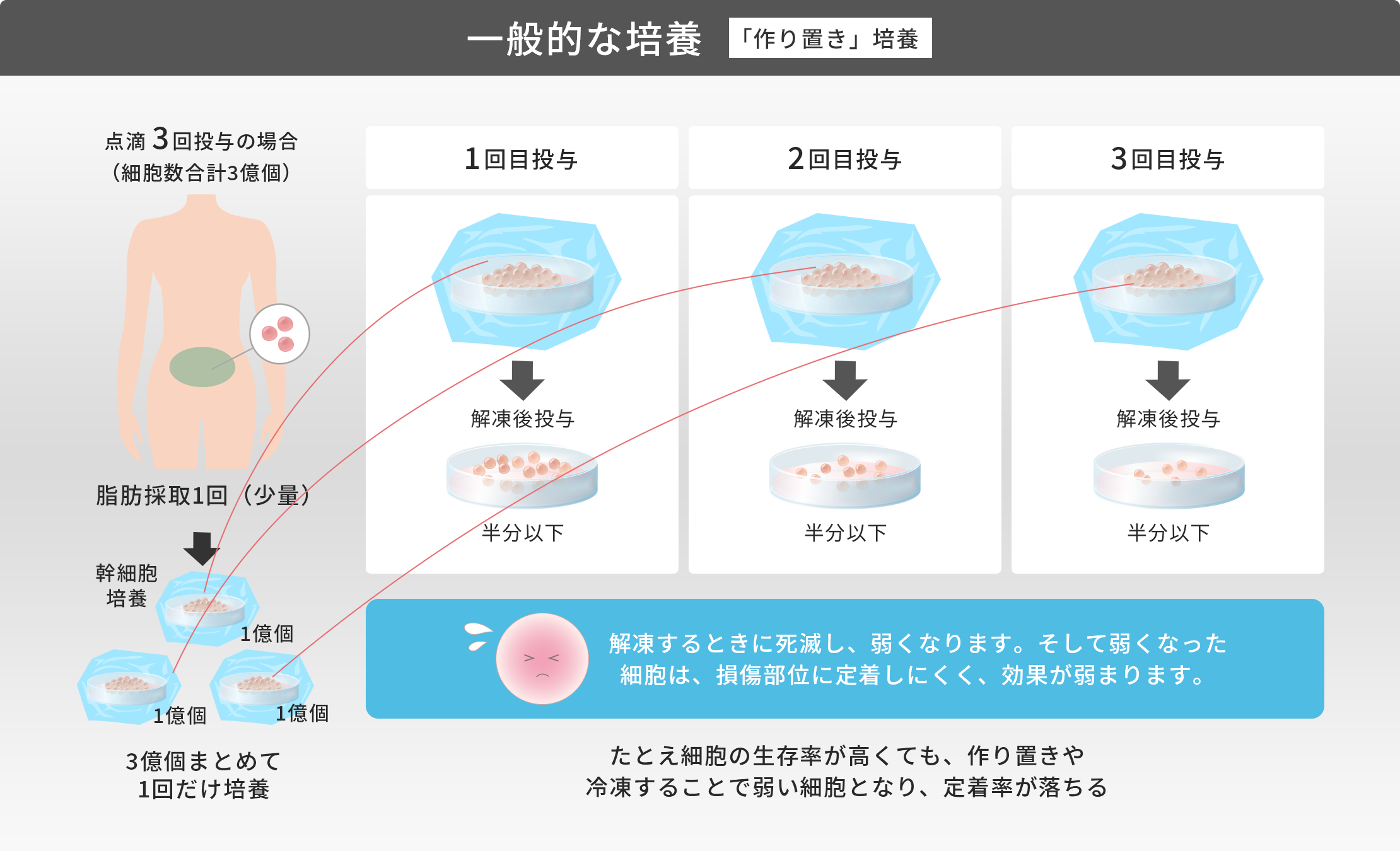
In Typical Cell Processing Facilities...
Cells are often frozen during storage and transport.

In addition, cryopreserved cells that are made and stored in cell processing rooms are generally transported frozen to other medical facilities.

These cryopreserved cells are transported to medical facilities while frozen, then thawed before use.However, many cells die or weaken during the thawing process, reducing their effectiveness.

General cell processing room General cell processing room

Features of our hospital (iii)

Using the patient's own blood
Safe culture method without blood substitutes

We do not use blood substitutes in cell culture.

I don't use it.
  • Blood substitutes
    (bovine serum, artificial serum)
We do not use blood substitutes in cell culture.

We insist on using only your own cells and
blood!

High safety and survival rates

At our clinic, we culture with your own blood, which is free of impurities and chemicals, ensuring high safety and survival rates. Some facilities use bovine blood or artificial blood called serum-free medium for culture.

High safety and survival rates

Generally, bovine blood and serum-free culture media are used for research purposes, but there are still concerns about allergies and mad cow disease in the clinical setting when actually administered to the human body.

In addition, although culturing stem cells from one's own blood requires advanced culturing techniques, stem cells cultured from one's own blood have strong vitality and can firmly repair damaged areas, enabling treatment with high regenerative potential.

High safety because cells are cultured using the patient's own blood

It is very difficult to culture them using their own blood, but they grow more vibrant cells that way.

I guess using your own cells and blood is more
compatible.

Features of our hospital (4)

Advanced technology for stem cell extraction
Proprietary separation sheets without chemicals or additives

We do not use chemicals or additives in cell culture

I don't use it.
  • Lipolytic enzymes
    (Chemicals)
  •  additive
We do not use any chemicals or additives during cell culture.

No chemicals or additives are used!

High safety and security /
Original culture technology

  • Using our own separation sheet, it is possible to culture stem cells with strong viability.
  • In culture methods using common degradative enzymes (chemicals), cells are weak and survival rates are low. Allergy is also a concern.
High safety and security / Original culture technology

Characteristics of our hospital (5)

High survival and activity rates

Stem cell viability and activity

Understanding stem cell viability and activity rates is very important in understanding regenerative medicine. Even when we talk about stem cell regenerative medicine, there is no uniformity in the way cells are cultured at different medical institutions. This means that the degree to which stem cells are viable and effective also varies from institution to institution.

In other words, the survival and activity rates of stem cells vary from institution to institution, and if the survival and activity rates are low, the desired effect cannot be expected.

Now we will discuss survival and activity rates.

What is Survival Rate?

Viability is the percentage of cultured stem cells that are alive.

Our Stem Cell Culture

Our stem cell culture, high survival rate

General culture

General culture, low survival rate

What is activity rate?

The activity rate is the percentage of how healthy the living stem cells are.

Our Stem Cell Culture

Our stem cell culture, high activity rate Our stem cell culture, high activity rate

General culture

General culture, low activity rate General culture, low activity rate

Even at the same survival rate, if the living cells are
weaker, the fixation rate will also be lower.

No matter how high the survival rate is, if the living cells are inactive and weak, the stem cells will not be fully effective. In other words, even if the survival rate is high, if there are many weak cells with a low activity rate, the stem cell therapy will be less effective, the stem cell fixation rate will be low, and the therapeutic outcome will be poor.

Features of our hospital (6)

The amount of fat to be extracted is small (about 2-3 grains of rice)
and therefore less stressful to the body

A 1 cm incision is made around the lower abdomen and fat (about 2-3 grains of rice) is harvested. Stem cells are extracted and cultured from the harvested fat cells, and the number of stem cells is increased to 10 to 100 million before they are administered into the body. (The number of cells administered varies depending on whether it is intravenous infusion, intra-articular injection, or intraspinal injection.)

Because stem cells are grown in culture, fewer cells are needed to be harvested, the wound is smaller, and there is almost no pain, so the burden on the body is minimal.

Less burden on the body due to the small amount of cells collected (2-3 grains of rice)

Characteristics of our hospital (7)

Because more than 100 million cells can be administered,
treatment results are good

Since the stem cells are cultured each time they are administered without freezing, they boast a high survival rate.

Comparison of treatment outcomes
(for cartilage regeneration)

General Treatment

  • BEFORE (before stem cell administration) Sakamoto: "The light brown area is bare bone." BEFORE (before stem cell administration) Sakamoto: "The light brown area is bare bone."
  • Stem cell administration: 10 million typical doses Stem cell administration: 10 million typical doses
  • AFTER (6th month of stem cell administration) Cell-kun: "The white area is newly regenerated cartilage!" AFTER (6th month of stem cell administration) Cell-kun: "The white area is newly regenerated cartilage!"

Our Treatment

  • BEFORE (before stem cell administration) Sakamoto: "The light brown area is bare bone." BEFORE (before stem cell administration) Sakamoto: "The light brown area is bare bone."
  • Stem cell administration: 100 million typical doses Stem cell administration: 100 million typical doses
  • AFTER (6th month of stem cell administration) Cell-kun: "The white area is newly regenerated cartilage!" AFTER (6th month of stem cell administration) Cell-kun: "The white area is newly regenerated cartilage!"

Detailed treatment information

Treatment details
Cell therapy using autologous adipose-derived mesenchymal stem cells (intra-articular knee injection).
Since the cells are cultured each time they are administered without freezing, the stem cells have a high survival rate.

Duration and number of treatments

Studies have shown that effects begin to appear 3-6 months after administration.

cost

25 million pieces: 1,320,000 yen (including tax)
50 million pieces: 1,540,000 yen (tax included)
100 million pieces: 1,980,000 yen (tax included)
*This is an unreserved treatment.
A counseling fee of 3,300 yen (including tax) and a blood test fee of 11,000 yen (including tax) are required.
*The price is for a single dose. Discounts will be applied as the number of doses increases.

Major Risks and Side Effects

Pain, swelling, and internal bleeding at the treatment site (generally resolves in a few days)
Infection (extremely rare, but infection may occur during cell culture or administration)
Allergic reactions (extremely rare due to the autologous nature of the cells)
Individual differences in efficacy (efficacy may vary depending on symptoms and age)

The above image was taken from the article " Intra-articular injection of mesenchymal stem cells for the treatment of osteoarthritis of the knee: a proof-of-concept clinical trial. The image above is from the article "Intra-articular injection of mesenchymal stem cells for the treatment of osteoarthritis of the knee: a proof-of-concept clinical trial.
In this study, the best results were obtained in the high-dose (100 million stem cells) group. Effectiveness may vary from person to person. Please contact our clinic for more information.

Compared to 10 million,
100 million stem cells administered is more
cartilage!

Conclusion. Conclusion. The more stem cells administered, the more
Good treatment results

In the picture, you can clearly see that the more stem cells administered, the more cartilage
is regenerated!

It is common practice to administer about 10 million stem cells in a joint. However, at our clinic, we can administer more than 100 million fresh stem cells that have not been cryopreserved, depending on the patient's symptoms.

It has been proven in clinical data from overseas that the greater the number of stem cells administered, the better the therapeutic outcome.

In addition..!

The quality assurance by a third-party organization makes
safe and secure.

All stem cells confirmed to meet quality standards

All stem cells confirmed to meet quality standards

Stem cells cultured under strict control are
evaluated for quality by a third party
to see how they really are!

It's like a certificate of authenticity that proves that the diamond ring is real and of what quality.

Stem Cell Therapy Procedure

At our clinic, stem cell therapy is performed according to the following procedure.

  • Initial consultation and interview (approx. 2 hours)

    01

    Initial consultation and interview (approx. 2 hours)

    The physician will conduct a detailed investigation of the patient's condition and confirm whether stem cell therapy is suitable. After confirmation, the specific treatment process and details are explained, and if consent is obtained, a blood sample is drawn to test for infections and other diseases. After that, we will ask the patient to submit a consent form and start the treatment.

  • Fat collection (about 30 minutes)

    02

    Fat collection (about 30 minutes)

    Local anesthesia is administered to the patient's lower abdomen, and about three grains of fatty tissue are extracted.

  • Cell Culture Process

    03

    Cell Culture Process

    We have submitted a notification to the Ministry of Health, Labor and Welfare and professionally process adipose tissue collected at an accepted cell culture center into the specific cellular products required for treatment.

  • Intravenous infusion of specific cellular products

    04


    intravenous infusion of specific cellular products

    Intravenous infusion (approximately 80 minutes)

For those with diabetes

Have you heard of regenerative medicine?

Have you heard of regenerative medicine?

The clinic offers
free consultations.

Free Consultation
  • Treatment methods and results
  • Unique stem cell therapy technology
  • Safety and risks
  • Treatment plans and pricing
Chairman Sakamoto
Call for a free consultation 0120-706-313 Toll free/ Office hours: 09:00-18:00
Thinking Sakamoto-kun

What will happen?

What happens when you have diabetes?

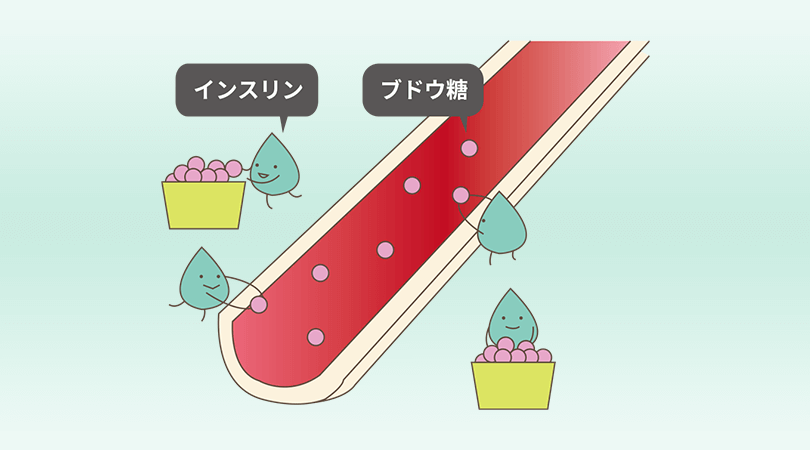
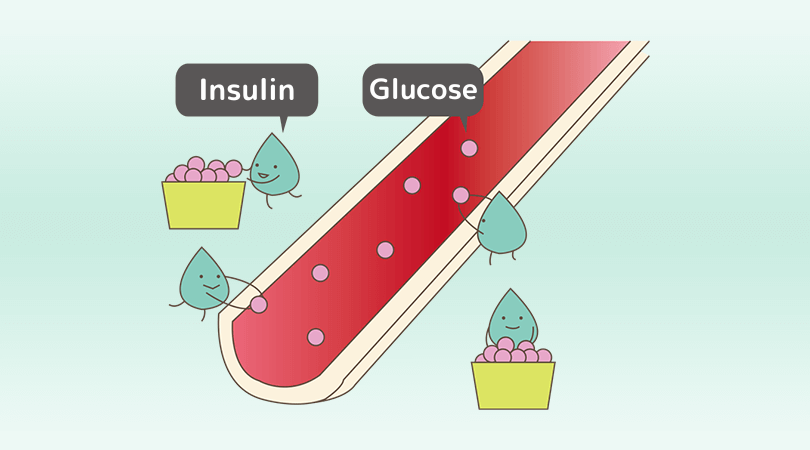
When a meal is consumed, the ingested carbohydrates are digested and absorbed through the intestines and converted into glucose. This glucose enters the bloodstream and is taken up by cells through insulin secreted by the pancreas and used as energy in the body.

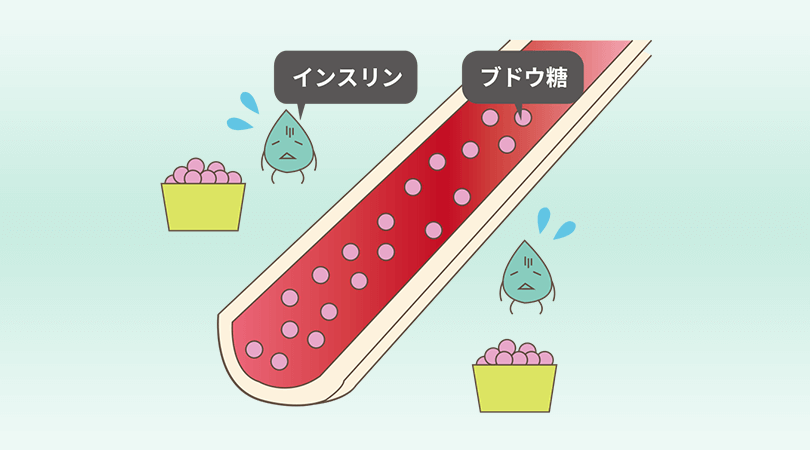
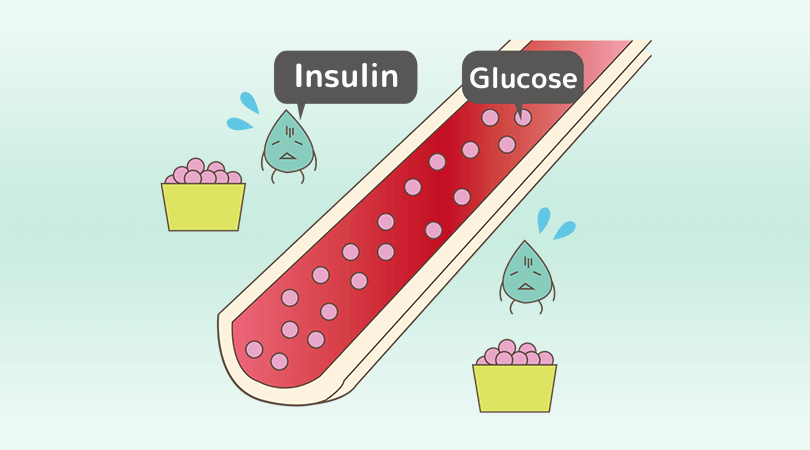
However, if the pancreas does not secrete enough insulin or if there is an excess of sugar in the blood, blood glucose levels rise and become high. This high blood glucose state is called "diabetes mellitus.

High blood sugar levels put a great strain on blood vessels, causing them to fall apart. This results in a variety of diseases.

When our insulin count goes down, we can't
keep up with the processing of sugar and can't control
the sugar in our blood...

So too much sugar in the blood leads to diabetes.
The role of insulin is very important!

  • Normal blood vessels

    Normal blood vessels Normal blood vessels

    Insulinregulates blood glucose levels by taking glucose from the blood into cells and storing it as an energy source.

  • Diabetic blood vessels

    Diabetic blood vessels Diabetic blood vessels

    As the pancreas weakens, insulin you less and less, and the glucose in the blood increases because the sugar cannot be taken up by the cells.

What are the treatment options for diabetes?

initial therapy

Rice, bread, noodles

It is generally recognized that diabetes is difficult to cure completely after its onset. Diet and exercise therapy are employed to manage blood glucose levels. Lifestyle modification is extremely important.

Mid- to late-stage treatment

Rice, bread, noodles

However, if proper control of blood glucose levels is difficult, the physician may prescribe oral medications. Additionally, if oral medications are ineffective, insulin injections are the treatment of choice.

To lower blood sugar levels, we adjust through exercise, diet, medication, and injections.

What exactly happens when blood sugar levels are high?

What happens if blood sugar levels are not regulated?

When blood glucose levels remain high, end glycation products (AGEs) are formed in the blood; AGEs can cause complications such as atherosclerosis, neuritis, and organ damage.

In the early stages of the disease, few symptoms appear, and as symptoms become more intense, diabetes progresses, sometimes in the middle to late stages of the disease. Complications of diabetes include diabetic retinopathy, diabetic nephropathy, diabetic neuropathy, and atherosclerosis, which also require attention.

When blood sugar levels get high, it damages the blood vessels and increases the risk of various diseases.

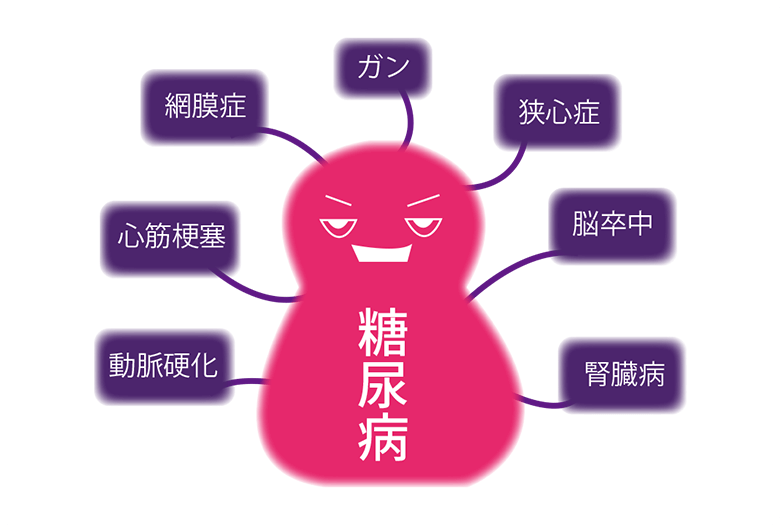
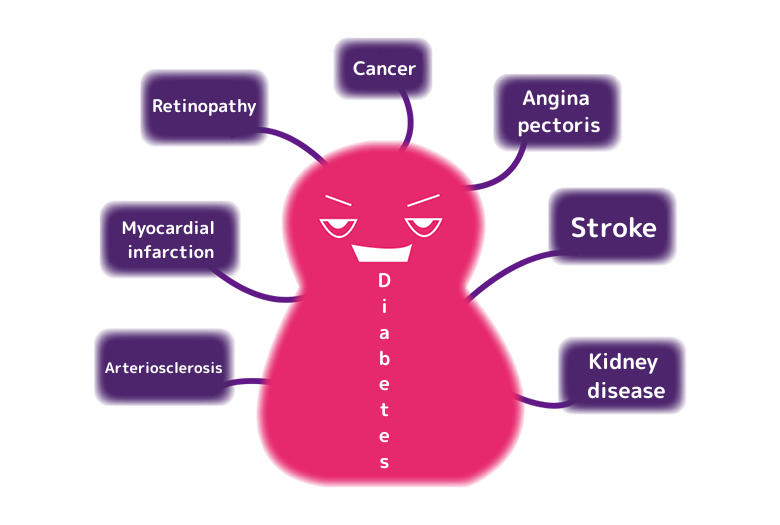
Diabetes causes complications such as atherosclerosis, myocardial infarction, retinopathy, cancer, angina pectoris, stroke, and kidney disease Diabetes causes complications such as atherosclerosis, myocardial infarction, retinopathy, cancer, angina pectoris, stroke, and kidney disease

Diabetics are more prone to
cancer risk

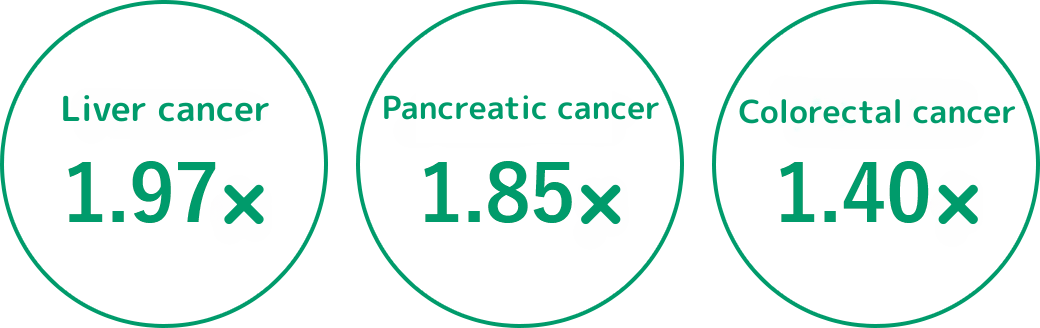
Liver cancer 1.97 times, pancreatic cancer 1.85 times, colon cancer 1.40 times Liver cancer 1.97 times, pancreatic cancer 1.85 times, colon cancer 1.40 times

From "Report of the Committee on Diabetes and Cancer" by the Japan Diabetes Society and the Japanese Cancer Association

A scary complication of diabetes is cancer.
In fact, cancer is the leading cause of death among diabetics. The total risk of developing cancer is 20-30% higher than in normal people, and the risk of certain cancers is also increased. 1.97 times higher for liver cancer, 1.85 times higher for pancreatic cancer, and 1.40 times higher for colon cancer, according to the Ministry of Health, Labor and Welfare and the Japan Diabetes Society.

Once diabetes develops, it is considered difficult to cure completely. In addition, it carries with it an increased risk of cancer and many complications. When symptoms appear, the advanced stages of diabetes are usually quite advanced.

I can't believe diabetes can't be cured with common treatment
...

Stem cell therapy is
different from the common treatments we've seen in the past, so
there's potential for fundamental improvement!

Overview and Causes

Autoimmune mechanisms Poor diet Lack of exercise Smoking Stress Genetic factors, etc.

More than 20 million people in Japan have diabetes or pre-diabetes, and it is estimated that 10% of people over the age of 40 will develop diabetes, which is the second largest number after hypertension.
In healthy people, sugar taken into the blood by the diet is absorbed into the cells by insulin secreted by the beta cells of the islets of Langerhans in the pancreas. In diabetics, however, insulin secretion is reduced, resulting in elevated blood glucose levels, and the kidneys are unable to properly process the sugar, causing it to be excreted in the urine as well.

Classification of Diabetes Mellitus

So there are two forms of diabetes.

Type 1 diabetes mellitus (IDDM: insulin-dependent diabetes mellitus)

It is a disease in which the beta cells of the pancreas are destroyed by autoimmunity. The main cause is an attack on one's own cells by an autoimmune mechanism. This type of diabetes is diagnosed by testing for autoantibodies (anti-GAD and IA-2 antibodies). Viral infection is also thought to be a factor. Onset is mainly between 10 and 20 years of age and is characterized by rapid onset of symptoms. Some patients develop symptoms such as ketoacidosis, polydipsia, polyuria, and weight loss, and the disease is classified into three categories based on the speed of progression: fulminant, acute onset, and slow progression. Treatment requires the administration of insulin.

- fulminant type 1 diabetes mellitus

Symptoms appear rapidly and require insulin administration in approximately one week. Delayed treatment can lead to diabetic ketoacidosis, so prompt action is required. Tests for autoantibodies are often negative and HbA1c is often within the normal range in the early stages.

- Acute onset type 1 diabetes mellitus

It is the most common type of type 1 diabetes. Insulin is required within a few months of the onset of symptoms, and tests for autoantibodies tend to be positive.

- Slow Progression Type 1 Diabetes Mellitus

The disease progresses slowly over months to years, gradually decreasing insulin secretion. In the early stages, there is no need for insulin. Later, autoantibodies are identified and type 1 diabetes may be diagnosed. Insulin is a less stressful treatment for the pancreas than oral medication.

Type 2 diabetes mellitus (NIDDM: insulin-independent diabetes mellitus)

Type 2 diabetes accounts for about 90% of all diabetics and is caused by poor dietary habits, lack of exercise, smoking, and stress. Genetic factors are also thought to play a role. In this type, insulin secretion from the beta cells of the islets of Langerhans in the pancreas is reduced, resulting in insulin resistance in the organ and causing elevated blood glucose levels. In the early stages, the disease is generally managed with oral medications, but insulin injections may be considered if the condition progresses.

Other examples include diabetes caused by high use of corticosteroids, pregnancy, pancreatitis, and pancreatic cancer.

Table 1: Characteristics of Type 1 and Type 2 Diabetes

type 1 diabetes mellitus   type 2 diabetes mellitus
Mostly 10-20 years old. age at onset Most after age 40.
Sudden progression of symptoms symptoms Slow progression of symptoms
Many people are skinny. figure (body) Many are obese, but some are thin.
Under the influence of autoimmune mechanisms, the beta cells of the pancreas are destroyed and secretion becomes almost nonexistent cause Although there is a genetic component, disordered diet and exercise habits result in low insulin secretion and high blood sugar
insulin injection medical treatment Diet, exercise, oral therapy, insulin injections

symptoms

  •  Thirst (thirst), increased beverage intake
  •  headache
  •  Increased frequency of urination, sweeter odor than urine
  •  having difficulty seeing
  •  Sense of hunger (hunger pangs)
  •  susceptible to infection
  •  Tiredness (fatigue)
  •  Slow wound healing
  •  Sudden weight loss

Thirst, increased frequency of urination

This symptom is seen in many advanced cases of diabetes. High blood sugar levels cause the blood to become sluggish, and the brain determines that the person is dehydrated, resulting in polydipsia. Frequent urination also occurs as a result of excessive water intake.

Rapid weight loss, increased fatigue

Glucose is not absorbed by the body and muscle and fat are used as energy sources. This results in weight loss and increased fatigue.

Exacerbation of foot symptoms

Diabetes can cause poor wound healing. Nerve damage can also occur, causing numbness and limpness in the feet. They are also prone to tinea cruris and ingrown toenails.

Complications of Diabetes Mellitus

Diabetic nephropathy Diabetic retinopathy Diabetic neuropathy Arteriosclerosis Cancer, etc.

diabetic nephropathy

It is caused by damage to the glomeruli of the kidneys due to high blood sugar.
In the early stages of the disease, few symptoms appear, but as the disease progresses, excretion of waste products becomes difficult, and dialysis may eventually become necessary.

diabetic retinopathy

The capillaries in the retina are damaged, and the disease progresses and develops gradually. This complication often results in blindness and is the second leading cause of blindness. Regular fundus examination is necessary to detect it.

diabetic neuropathy

The symptoms are numbness and pain in the hands and feet. They usually appear symmetrically over a glove or sock-like area.

arteriosclerosis

Diabetes affects blood vessels throughout the body and can cause myocardial infarction, angina, and stroke.
Clogged blood vessels in the legs can lead to gangrene, which in the worst case scenario may require amputation of the leg.

Other

Increased risk of developing cancer.

Regenerative medicine has potential that has never been seen before.
I have seen many people with diabetes who are pleased that they can now do things they could not do before with stem cell therapy. We hope that this treatment will spread to as many people as possible and become a new hope.

Medical institutions notified by the Ministry of Health, Labor and Welfare

Type II and Type III regenerative medicine, etc.
Plan of provision Notified

Repair Cell Clinic has submitted a Type 2 and Type 3 Regenerative Medicine Provision Plan to the Ministry of Health, Labour and Welfare, which has been accepted.

  • Ministry of Health, Labour and Welfare, Ordinance for Enforcement of the Act on Safety Assurance of Regenerative Medicine, etc., Notification Document "Treatment of Diabetes Mellitus Using Autologous Fat-derived Stem Cells".
  • Ministry of Health, Labour and Welfare, Ordinance for Enforcement of the Act on Safety Assurance of Regenerative Medicine, etc., Notification Document "Treatment of Diabetes Mellitus Using Autologous Fat-derived Stem Cells".

Treatment of diabetes using autologous adipose-derived stem cells

Our clinic provides cutting-edge regenerative medicine using autologous stem cells, one of the few in Japan, for "osteoarthritis," "stroke," "diabetes," "liver disorders," and "skin regeneration," as well as intra-articular administration of PRP (platelet-rich plasma) under the Regenerative Medicine Safety Assurance Act, as a free medical service. Regenerative medicine is subject to strict review by the Ministry of Health, Labour and Welfare (MHLW), and a treatment plan can be submitted to the MHLW only when the appropriateness, safety, and physician system of the treatment are deemed appropriate.

Repair Cell Clinic for Regenerative Medicine TOPtop