





Are you neglecting fatty liver, hepatitis, or cirrhosis
?
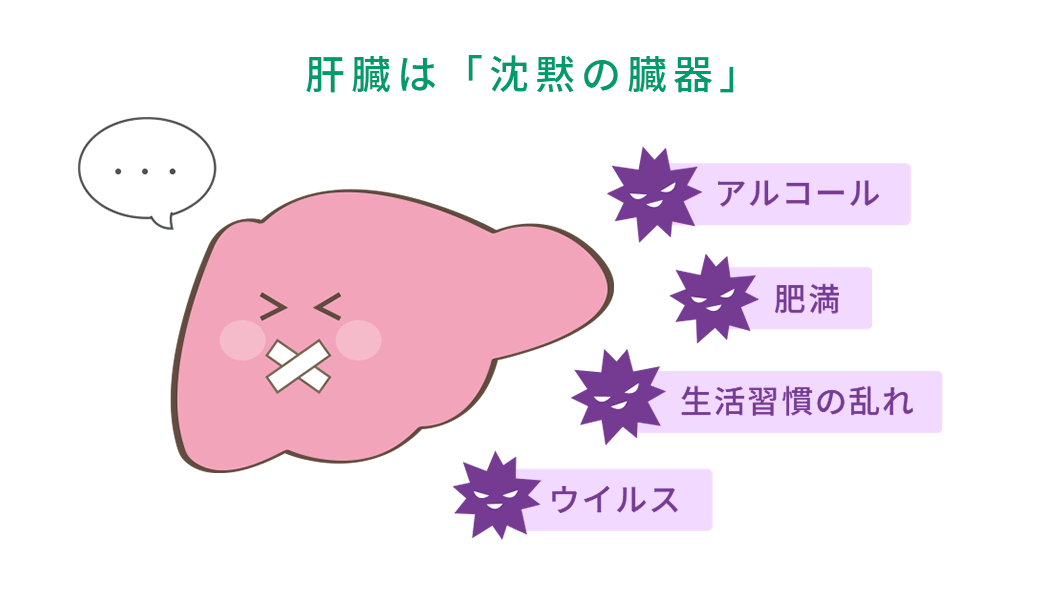
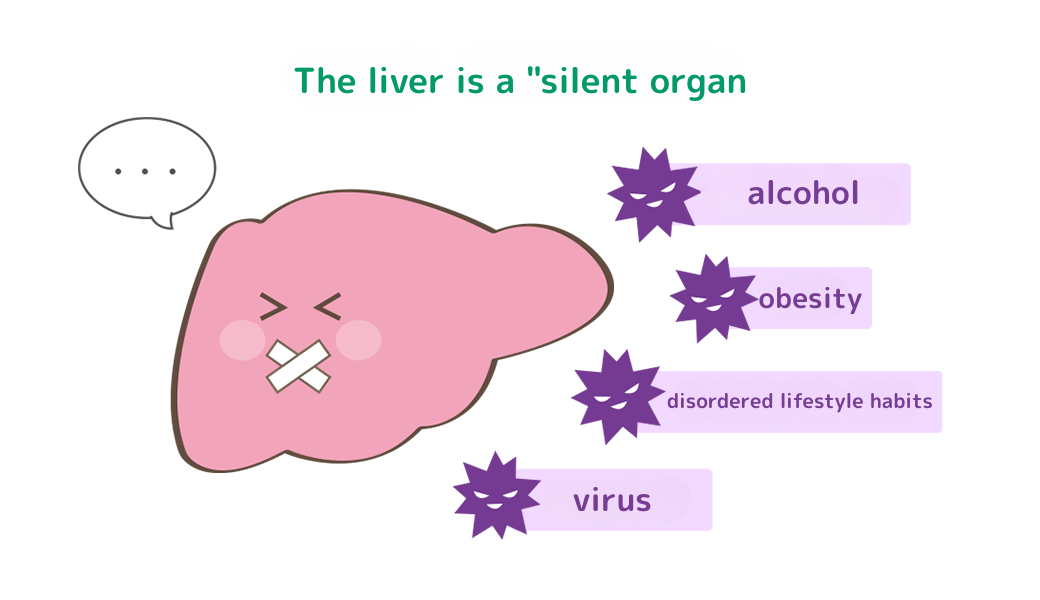
肝臓は体内で最も大きくかつ重要な役割を果たす臓器であり、『肝を冷やす』や『肝に銘じる』など、肝臓に関連する表現の多さは、その重要性を示しています。しかし、症状がほとんど現れないため、自覚症状が出現する頃には状態が悪いことが多く、治療が難航する場合があります。


Our unique
treatment


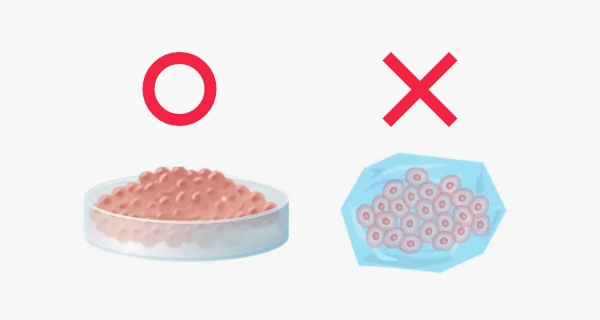
新鮮な、生きた細胞を
そのまま投与するので生存率が高い
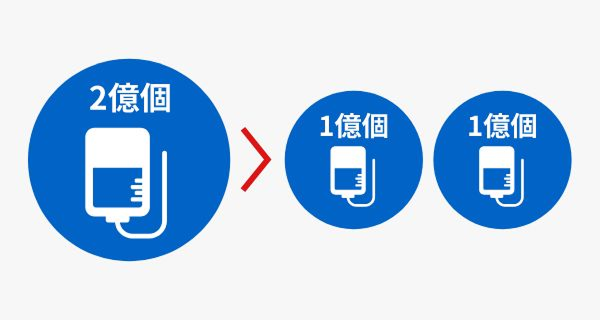
1億個×2回より高い効果が期待
肝臓の機能障害を修復・再生
※以下、詳細説明箇所にて論文データあり
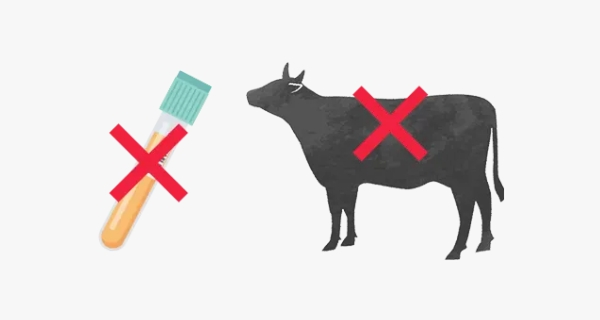
牛血清不使用で
アレルギーのリスクが心配なし
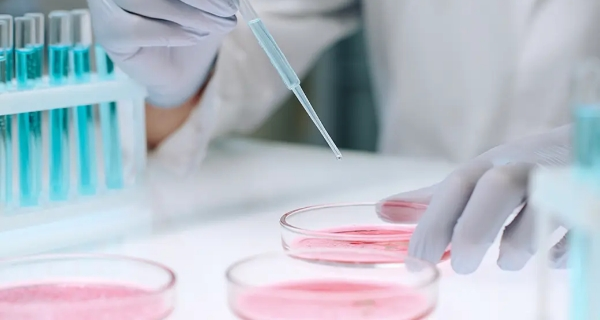
独自のシートでダメージを抑制し
生き生きした細胞をつくる

What will happen?
肝臓は体内で最も大きくかつ重要な役割を果たす臓器であり、『肝を冷やす』や『肝に銘じる』など、肝臓に関連する表現の多さは、その重要性を示しています。しかし、症状がほとんど現れないため、自覚症状が出現する頃には状態が悪いことが多く、治療が難航する場合があります。
Regenerative medicine," which utilizes fat stem cells, transforms stem cells into liver cells that not only improve fatty liver, a danger signal for the liver, but also alleviate liver fibrosis, which is difficult to reverse once it has progressed, and work to repair damaged tissue and reduce inflammation.

In general,
you don't have a treatment to heal damaged cells...
If you're looking for a regenerative medicine called stem cell therapy,
you can
a treatment that aims to repair and regenerate the liver!
I'll start with the three functions that the liver has
I'll explain!
The liver is primarily responsible for 1. metabolism, 2. detoxification, and 3. bile production and secretion.
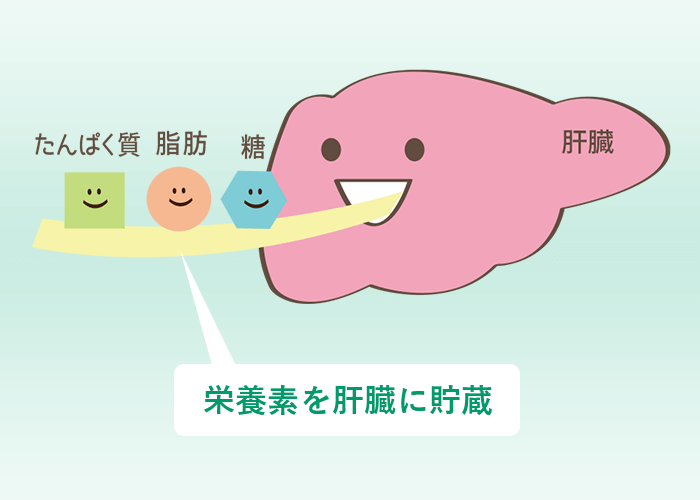
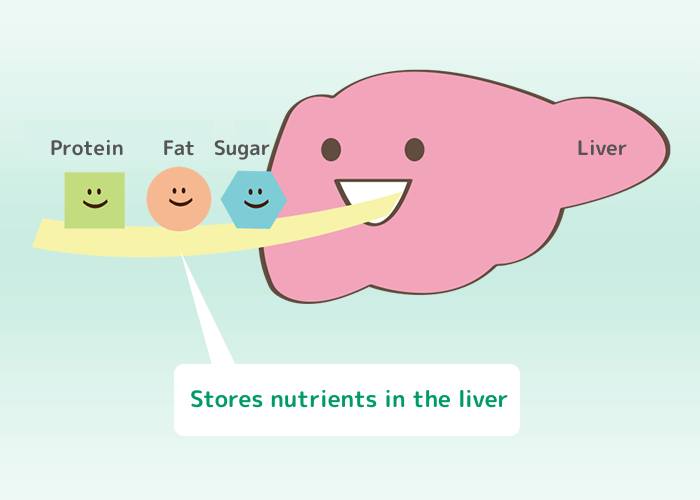
The food we ingest is broken down in the stomach and intestines. The nutrients obtained are then stored in the liver, which produces energy from the stored nutrients as needed.
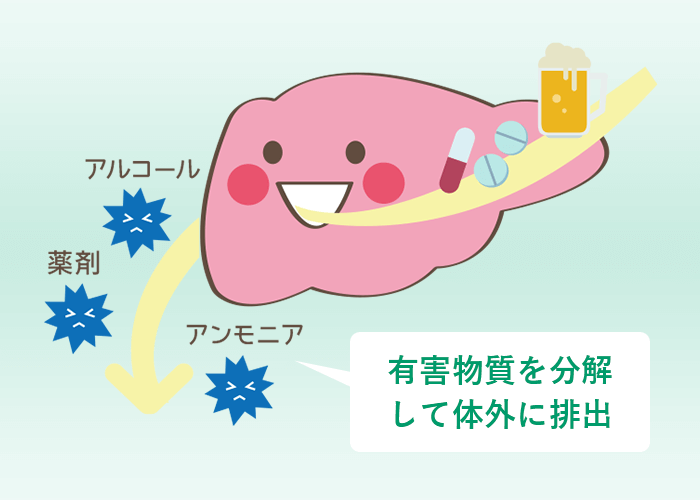
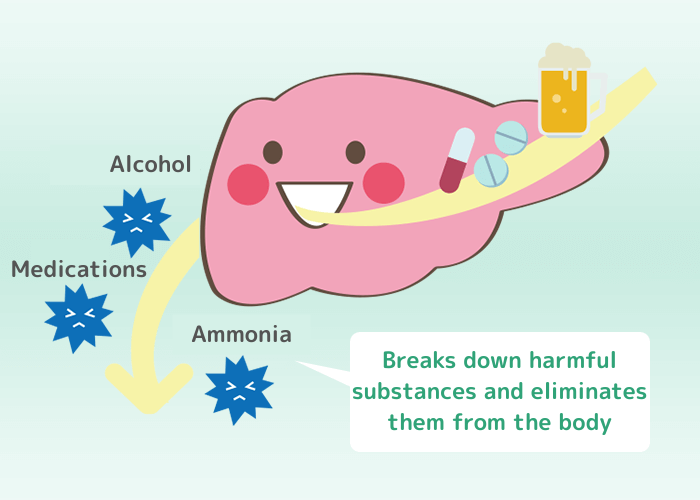
When the liver ingests alcohol, drugs, or other toxic substances, it detoxifies them by converting them into less toxic substances and eliminating them through urine and other means.
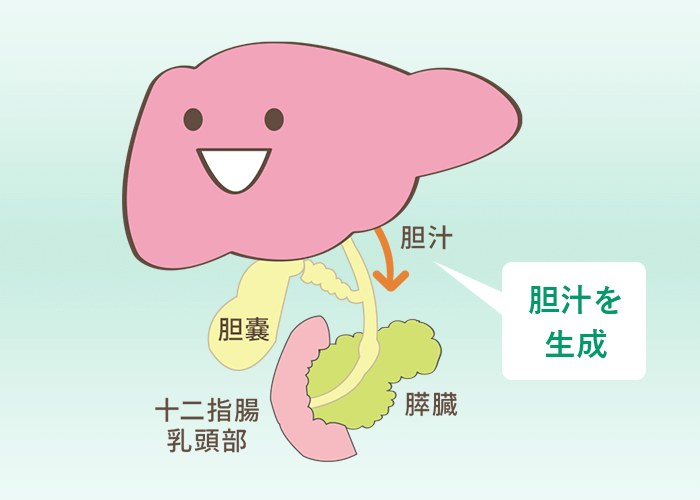
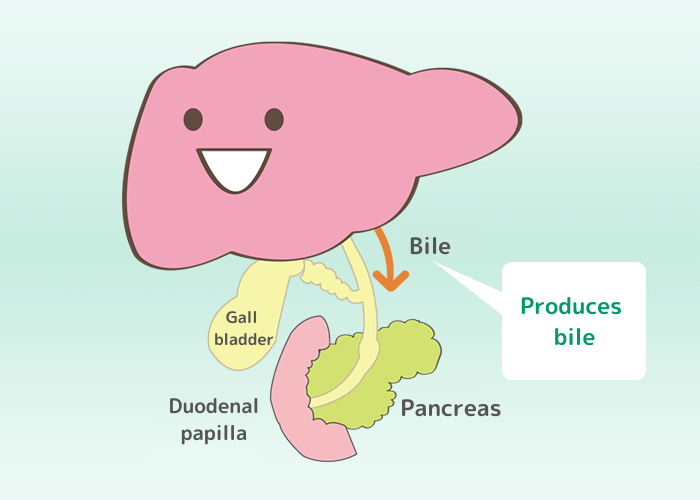
The role of bile is to emulsify fats and facilitate the breakdown of proteins. It is also necessary for the excretion of cholesterol from the body.
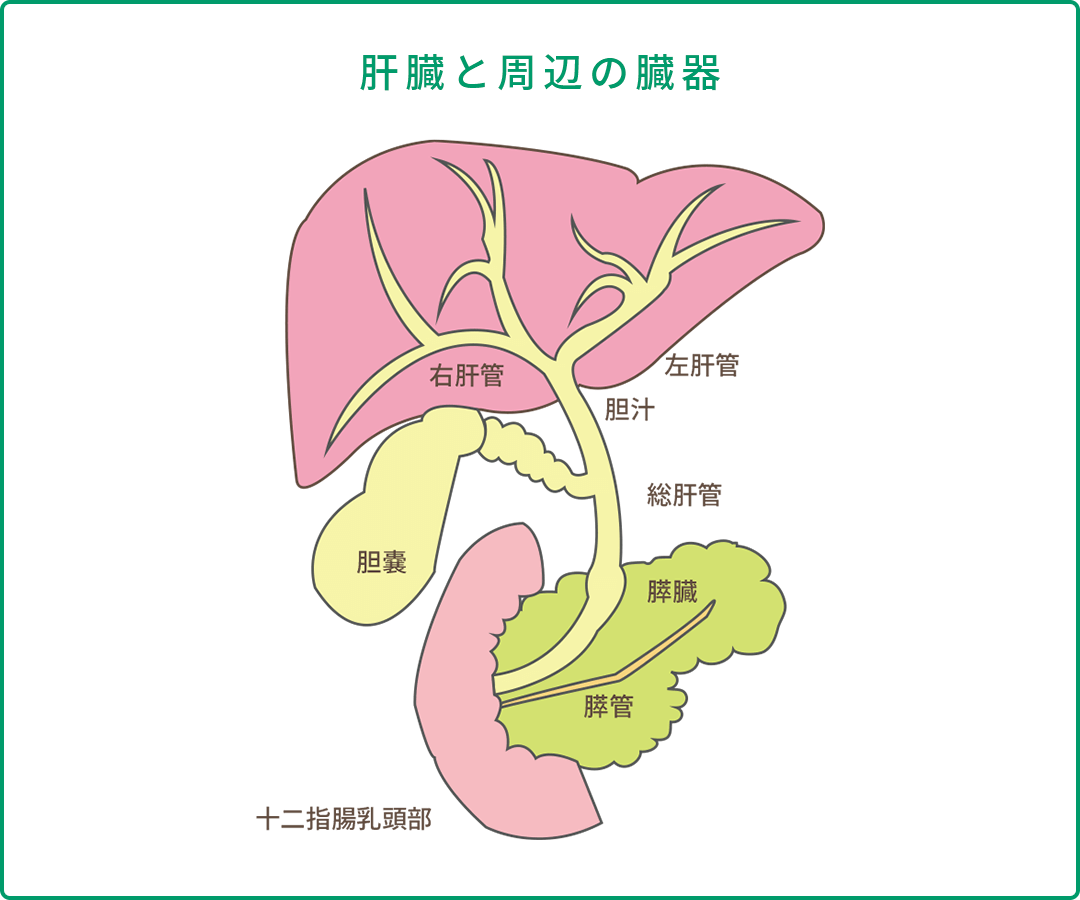
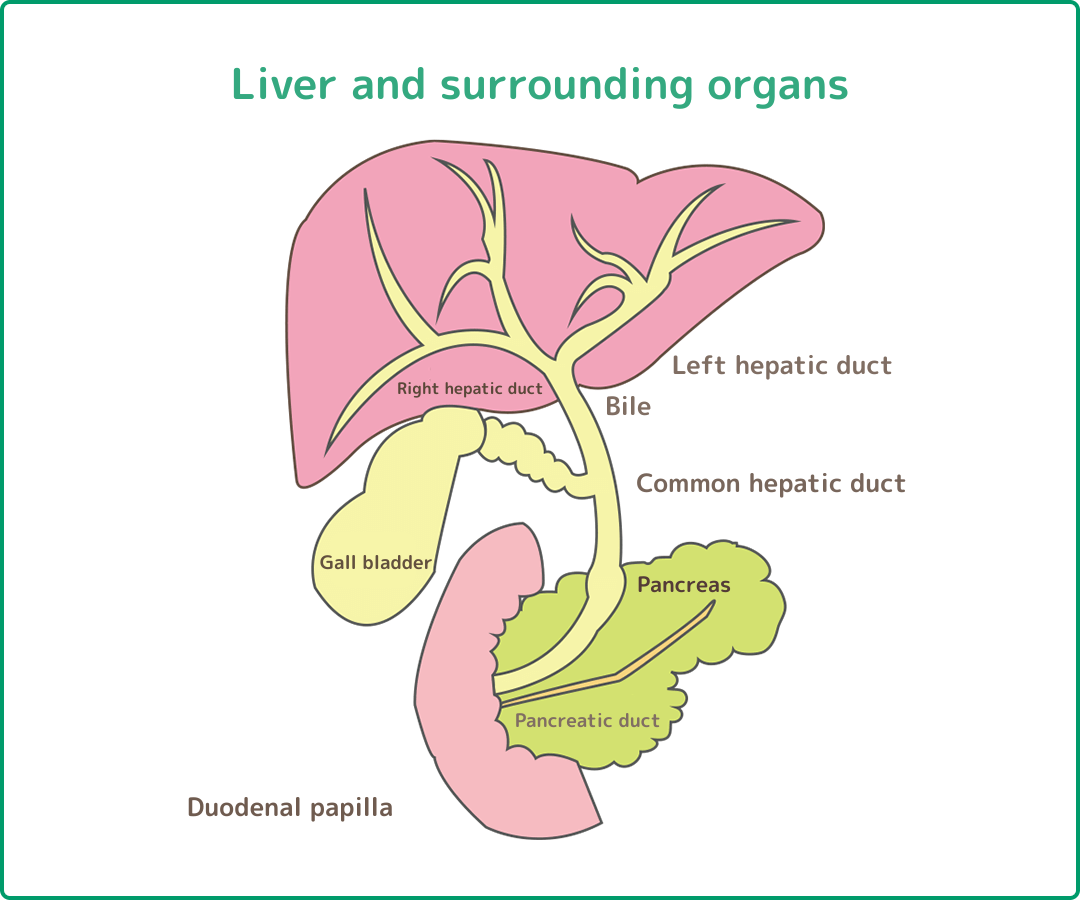
The liver is the largest organ in the body.
Since it plays such an important role, we need to take good care of it!
A healthy liver is important for the health of other organs too!
About Fatty Liver
Think about it!
Fatty liver disease is a disease in which fat accumulates in the liver and has been on the rise in recent years. Reports indicate that 20-30% of patients undergoing physical examinations have a fatty liver. Ignoring fatty liver increases the risk of serious diseases such as hepatic decompensation, cirrhosis, and liver cancer, as well as the development of atherosclerosis.
特に、糖尿病患者にとっては、脂肪肝が糖尿病を悪化させることが指摘されています。また、脂肪肝が肝硬変に進行した場合、現在のところ確立された治療法はなく、致死率が高いことが特長です。
Fatty liver is a warning signal from the body and requires early action. This disease should not be taken lightly, but must be taken seriously.
Even if there are no symptoms, if it gets worse, it can lead to
cirrhosis and liver cancer.
It's a scary disease!
Fatty liver is a warning signal from the body. Even if there are no subjective symptoms, leaving it untreated is not a good idea. Try to treat it as soon as possible.
If you don't exercise, tend to overeat, or drink a lot of alcohol,
it's important to get tested as soon as possible.
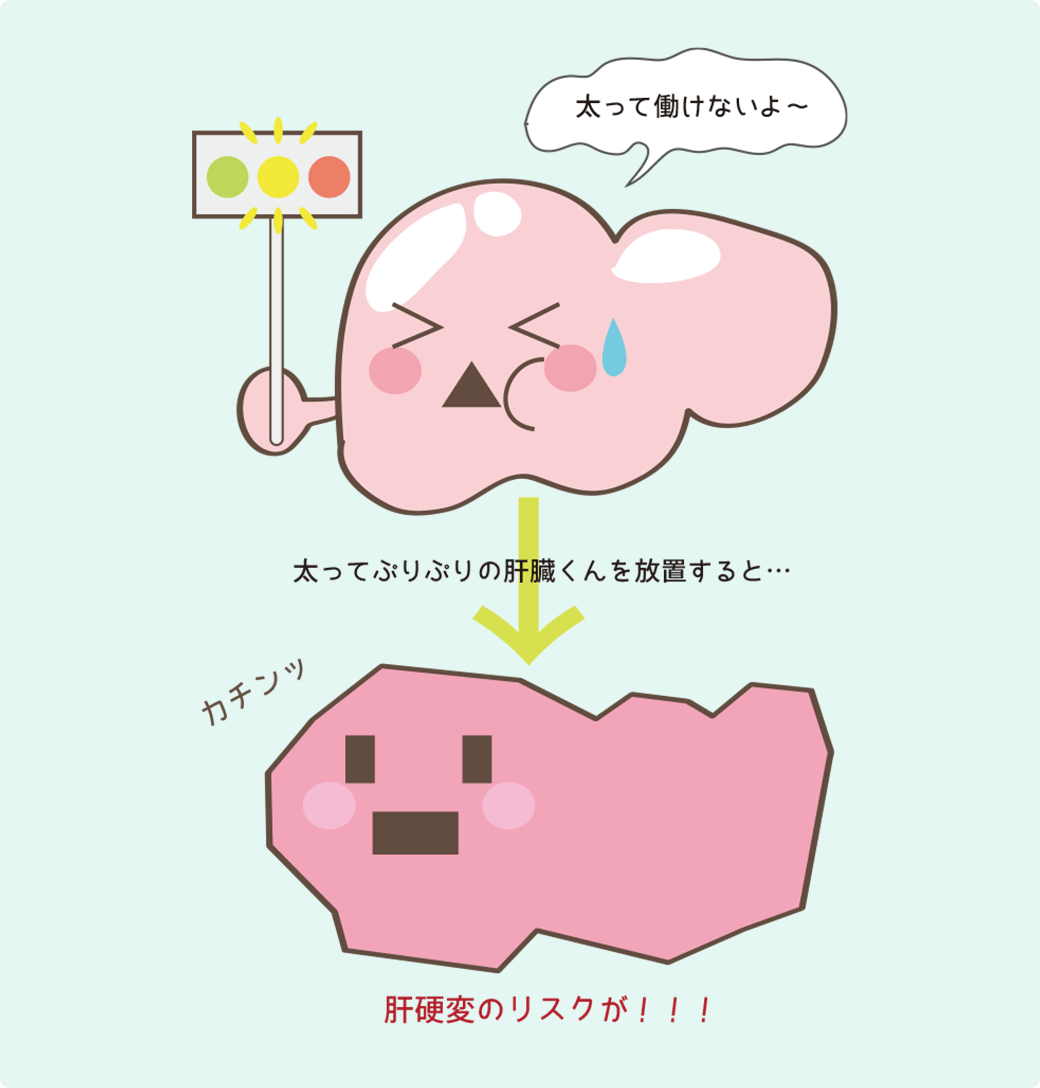
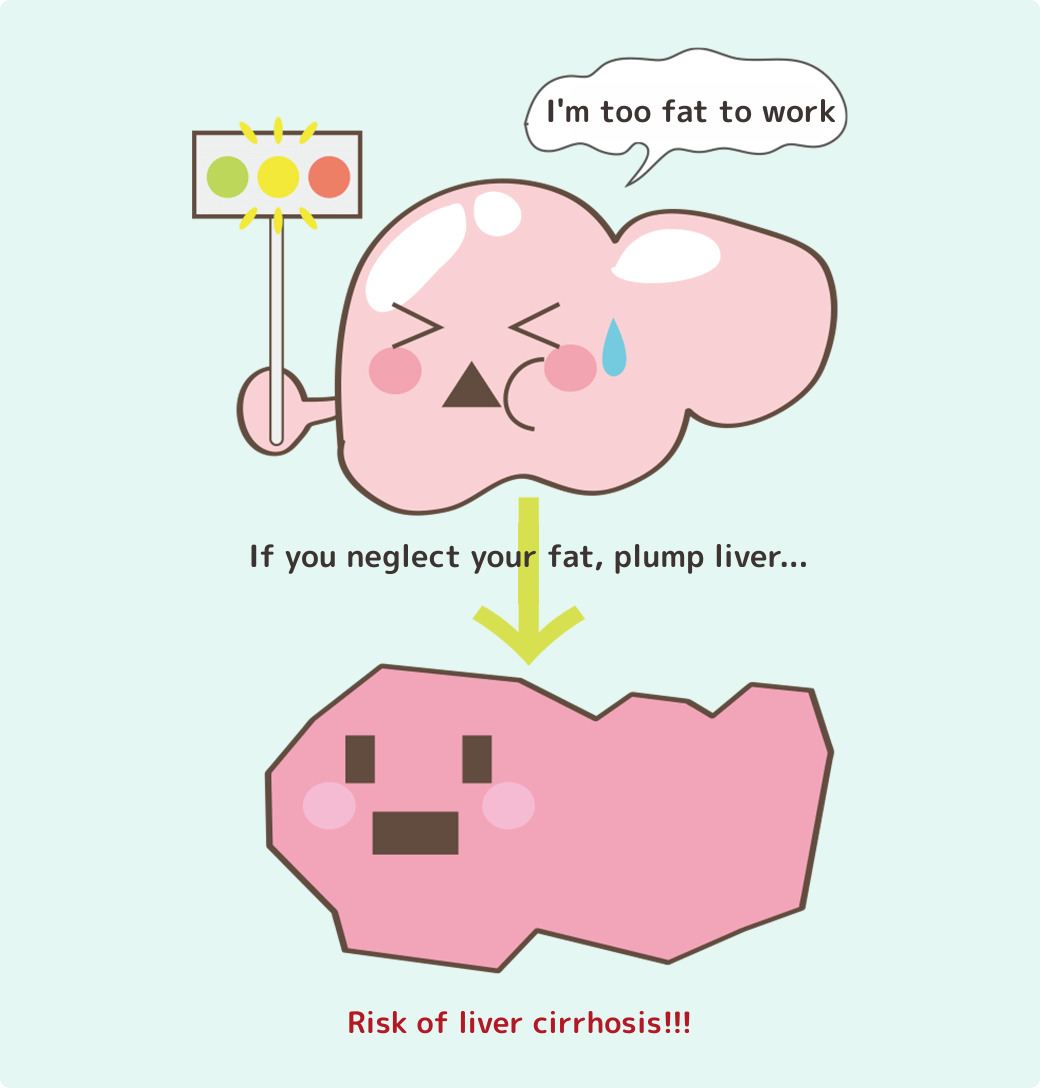
Fatty liver is a condition caused by excessive consumption of food and alcohol, lack of exercise, obesity, and unreasonable dieting, all of which contribute to the accumulation of neutral fat in the liver.
In addition, excessive alcohol consumption increases the synthesis of neutral fats as alcohol is broken down in the liver. Obese people are also more likely to accumulate triglycerides because the rate of fatty acid burning in the liver is reduced. Another thing that may surprise you is that rapid dieting can lead to nutritional deficiencies, which can lead to a condition known as "low-nutrient fatty liver."


The liver normally balances energy intake with energy expenditure.


When excessive fat and carbohydrate intake is combined with lack of exercise and other factors, there is insufficient burning of triglycerides stored in the liver.
People who do not drink alcohol tend to fall into a sense of security, but in fact, the main cause of increased fatty liver is not excessive drinking, but rather "overeating".
This "nonalcoholic fatty liver" is often neglected and symptoms can be severe.
I can tell if I have a fatty liver.
Are there any signs?

Fatty liver has few symptoms, but "sludgy" blood can limit the body's supply of oxygen and nutrients, resulting in the symptoms describedabove onthe left. If this applies to you, we recommend that you have a blood test.
The standard value of ALT (GTP ), which indicates liver function, is usually less than 30 (IU/L), but a value of 20 (IU/L) or more is considered a pre-fatty liver.
If you don't exercise or eat a lot, check for fatty liver by doing
tests.
The presence of a fatty liver increases the risk of angina pectoris and myocardial infarction. In diabetics, there is an increased likelihood that the condition will worsen. In addition, systemic insulin efficacy is decreased and insulin resistance tends to progress more easily.
The liver also plays an important role in regulating blood glucose, which increases rapidly after a meal and maintains a constant blood glucose level, and as a source of nutrients for the pancreas to produce insulin.
Therefore, when liver function is impaired by overeating, excessive alcohol consumption, or viral hepatitis, the risk of developing diabetes increases. In diabetics, there is a risk of complications associated with impaired liver function.


In healthy individuals, the liver and insulin deliver glucose to each organ cell, reducing blood glucose levels.


When the liver functions poorly, sugar is not properly supplied to the blood and is instead stored in the liver. As a result, it is stored as fat, causing fatty liver disease.


Fatty liver is a condition in which fat is easily broken down to release glucose into the bloodstream. This can lead to a rapid rise in blood glucose levels and further insulin overproduction.
この結果、膵臓は疲弊し本来の機能を発揮できない状態に陥ります。
本来の働きができない膵臓は、必要なインスリンを生成できず、
糖尿病の進行を招く可能性が高まります。


つまり、脂肪肝や他の肝障害を無視することは、肝硬変や肝がんだけでなく、
糖尿病の悪化や脳卒中などのリスクも増加させる可能性があることを意味します。
このように肝臓は警戒が必要な臓器です。早期からの対策を心掛けましょう。
Let's think about hepatitis next at
!
Hepatitis is a condition in which liver cells are damaged by some cause and liver function is impaired. The most common cause is viral infection, which can be of types A, B, C, D, or E. Types B and C viruses in particular can easily become chronic and gradually progress to cirrhosis and liver cancer.
If left untreated,
it can lead to cirrhosis and liver cancer!

It may progress gradually in the order of normal → fatty liver, hepatitis (acute and chronic) → cirrhosis and hepatocarcinoma.




Since the 1980s, it has become known that fibrosis (hardening) of the liver develops from fatty liver, which leads to chronic hepatitis (fatty hepatitis), which in turn progresses to cirrhosis and liver cancer. If mistakenly ignored as fatty liver, cirrhosis may progress unnoticed, and liver cancer may suddenly be detected.
Let's think about cirrhosis next at
!
As chronic hepatitis persists, fibrous tissue in the liver increases, and the liver itself may harden and progress to cirrhosis. This fibrosis or cirrhosis is a very dangerous condition, as it is said to be irreversible, regardless of the liver's ability to regenerate.
In the early stages of the disease, symptoms such as loss of appetite and general malaise may appear, but as the disease progresses, a yellowish discoloration of the skin and whites of the eyes called jaundice appears. This is caused by the liver's inability to metabolize the yellow pigment bilirubin.
As the disease progresses further, life-threatening conditions such as ascites, edema, and varicose veins in the abdomen may appear. Cirrhosis is a serious disease, and early diagnosis and treatment are extremely important.
After you have a fatty liver, if left untreated
because there are no symptoms, it can lead to cirrhosis, right?


When ammonia is not broken down properly and the concentration of ammonia in the blood increases, the brain can be adversely affected. This condition, known as hepatic encephalopathy, can cause symptoms such as impaired consciousness, coma, and convulsions.
In addition, the cirrhotic condition increases the risk of liver cancer.
I see that as the liver becomes more fibrotic,
it becomes more likely to develop liver cancer.

Usually, the treatment for fatty liver is lifestyle modification. However, it is often left untreated because there are no subjective symptoms.
As for cirrhosis, there is no fundamental cure, and diet and other treatment options are used to prevent deterioration. In the case of viral hepatitis, drugs may be used to suppress the growth of the virus, but once the viral hepatitis is completely cured, the fibrotic liver will not return to its original state.
In the case of liver cancer, treatment includes anticancer drugs and surgery, but the reality is that cirrhosis itself cannot be cured completely.
Cirrhosis can't be reversed with common treatments
...

Current insurance coverage does not provide a radical treatment for fibrotic fatty liver or cirrhosis, which is difficult to recover from. This fibrosis is progressive and, in the worst case scenario, requires vigilance because it increases the risk of developing liver cancer, which can be life-threatening.
Stem cell therapy is a
treatment that restores a normal liver
Our treatment for liver disease is regenerative medicine (stem cell therapy).
We aim to restore a normal liver by culturing the patient's own stem cells and then returning them to the body.
Because of their ability to repair and regenerate tissue, stem cells, when administered intravenously, travel through blood vessels to reach weakened organs.
This intravenous therapy can only be provided at licensed medical facilities. We are one of the few medical facilities that offer regenerative medicine for liver treatment.
A facility that treats livers with regenerative medicine is
That's a rarity in the country!
Stem cells have the ability to repair and regenerate
damaged tissue.


Although lifestyle modification is a common treatment method, it has not been a fundamental cure, but only a prevention to slow down the progression of cirrhosis and cancer.
Regenerative medicine using stem cells, however, can soothe inflammation, repair and regenerate tissue against inflammation and fibrotic tissue in the liver. It can then aim to improve liver function.
Furthermore, if intravenous administration of stem cells improves blood flow and metabolism, it is expected to reduce fat and improve fatty liver. However, it is also important to review lifestyle habits.


*The homing effect of stem cells also has the added benefit of improving other weakened organs at the same time.
You improve liver function by regenerating and repairing fibrotic and hardened tissue
by stem cells!
Even though it is difficult to treat with drugs and dietary restrictions,
stem cell therapy can provide radical improvement.
It's possible!
Although the treatment varies from person to person, this treatment differs significantly from conventional methods and may free you from the days of fearing the risk of slowly progressing disease and complications. It may also free you from the daily routine of having to "do" exercise and diet restrictions.
Regenerative medicine for liver diseases using intravenous (IV) administration of adipose-derived stem cells is a treatment that promises to fundamentally improve liver diseases that are considered difficult to cure completely with conventional therapies.

リペアセルクリニックは、累計14,000例以上(2019年6月〜2026年1月末時点)の治療実績をもち、脂肪肝(NASH含む)・肝炎・肝硬変に対し、自己脂肪由来幹細胞治療を提供している厚生労働省届出済の再生医療専門クリニックです。
肝臓治療の再生医療が受けられる数少ない医療機関の一つです。冷凍せずにご自身の血液のみでその都度培養し、化学薬品・添加物を使用しないことで、幹細胞の高い生存率と安全性を実現しています。東京・大阪・札幌の3院で完全予約制の診療を行っています。
一歩先をいく再生医療
新鮮な、生きた細胞を
そのまま投与するので生存率が高い
1億個×2回より高い効果が期待
肝臓の機能障害を修復・再生
※以下、詳細説明箇所にて論文データあり
牛血清不使用で
アレルギーのリスクが心配なし
独自のシートでダメージを抑制し
生き生きした細胞をつくる
まず最初にご紹介したい特長が、"冷凍せず生きたまま届けるフレッシュ細胞"です。この仕組みが、幹細胞の高い生存率を支えています。
すごい!こんなにも特長があるんだね!
そうなんだよ。幹細胞には強いこだわりを持って作っているんだ。
これだけの特長を網羅できているのは見たことがないよ!

Since the stem cells are cultured each time they are administered without freezing, they boast a high survival rate.

It's actually time-consuming to culture them "each time" as they are administered. But we use this method because it increases the survival rate at the time of administration!
Freshly cultured cells are fresh and lively! It is unique to our hospital that cells with high survival and activity rates can be administered every time.

合計投与量が同じ2億個であっても、1億個ずつ2回に分けて点滴投与するより、
2億個を1回でまとめて点滴投与するほうが高い治療効果が期待できます。
当院は、1億と2億の点滴治療を多数経験しているからこそ、効果の違いを実感しています。
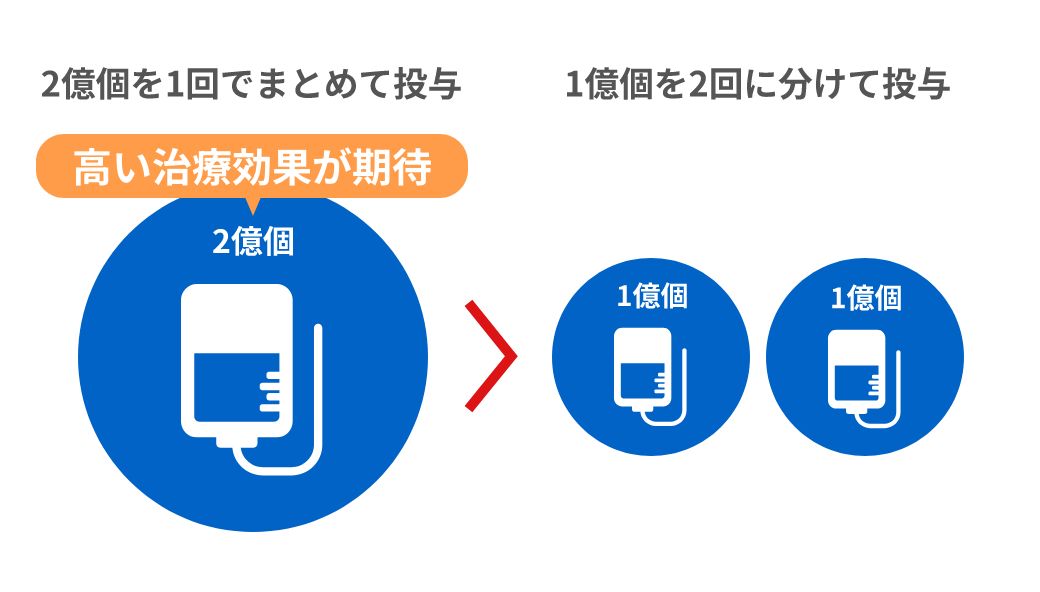
一度に2億個をまとめて投与するほうが、
分けて投与するよりも効果が期待できるんだね!
そうなんだよ。だから当院では2億個を1回で
まとめて投与する方法を採用しているんだ。

脂肪由来の幹細胞は、骨髄から採取する方法に比べて
体への負担が少なく、より多くの幹細胞を確保しやすいという特長があります。
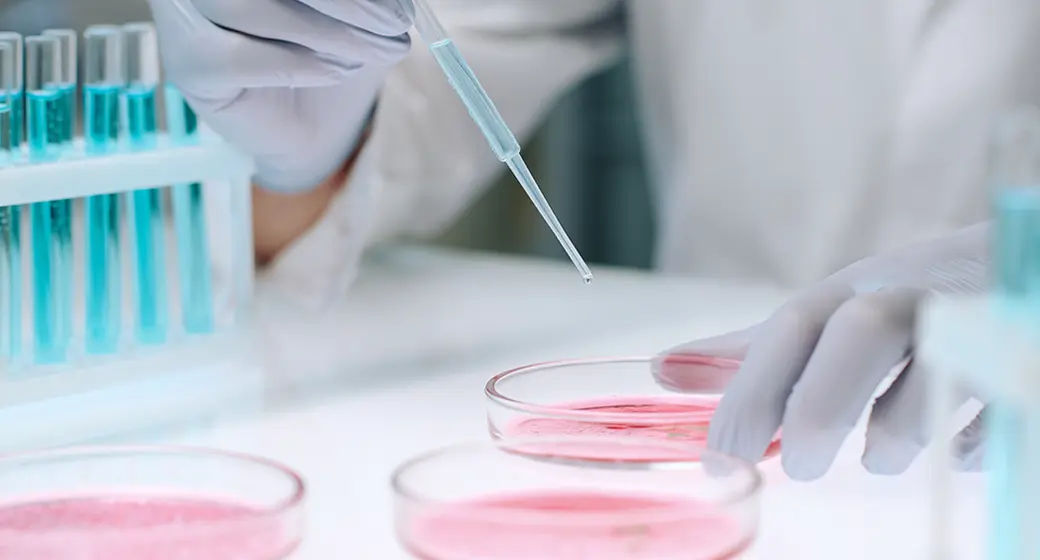
採取が比較的簡単で、患者様の負担が少ないのが
脂肪由来の幹細胞の特長なんだ。
脂肪由来の僕たちは、採取しやすくて、たくさんの
仲間(幹細胞)を確保できるのが強みなんだ!

当院では、ご自身の血液で培養するため、不純物や化学薬品などを含まず高い安全性と生存率が実現しています。国内での多くの施設では、牛の血液や無血清培地という人工の血液を使用して培養されています。
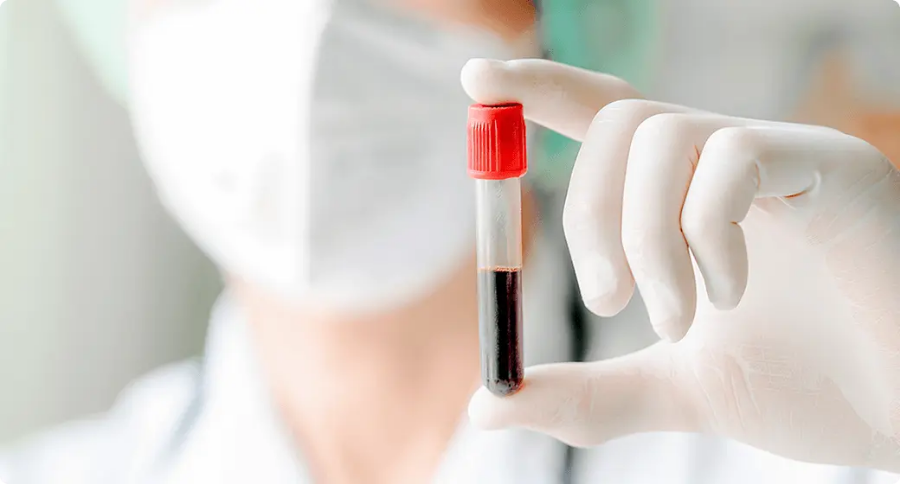
Generally, bovine blood and serum-free culture media are used for research purposes, but there are still concerns about allergies and mad cow disease in the clinical setting when actually administered to the human body.
また、自身の血液を使用して幹細胞を培養するには高い培養技術を必要としますが、自身の血液で培養された幹細胞は強い生命力を持ち、損傷した部位をしっかりと修復し高い再生力の期待できる治療を可能としてくれます。
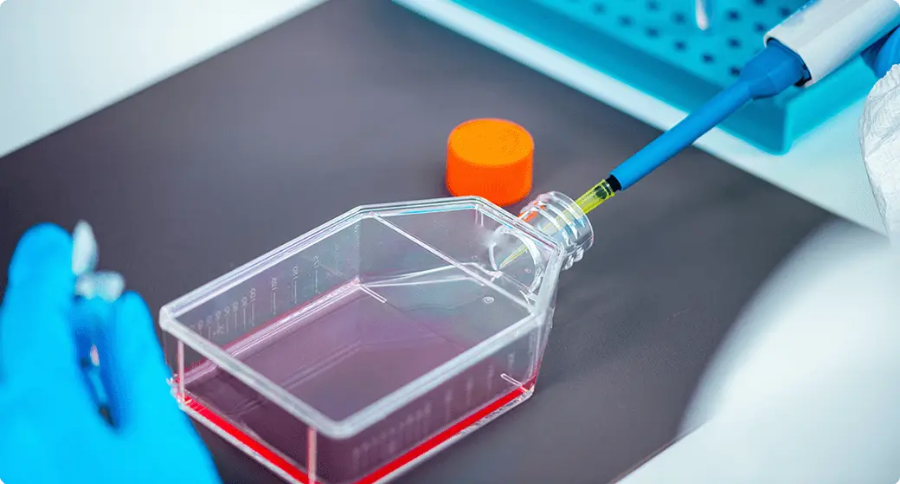
It is very difficult to culture them using their own blood, but they grow stronger and more vibrant cells that way.
やっぱり自身の細胞と血液を使う方が相性がいいんだね。

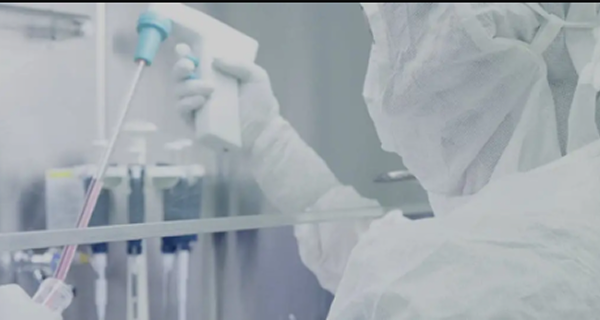
当院では、長年研究を重ねて開発された独自の分離シートを使用することで、化学薬品や添加物を使わず、強い生命力を持った幹細胞を培養することが可能となりました。
ほとんどの医療機関では、従来の脂肪分解酵素(化学薬品)を使用した培養方法が主流で、これだと細胞が弱くなり生存率は低くなってしまいます。さらに化学薬品となるため、アレルギーなどが懸念となります。
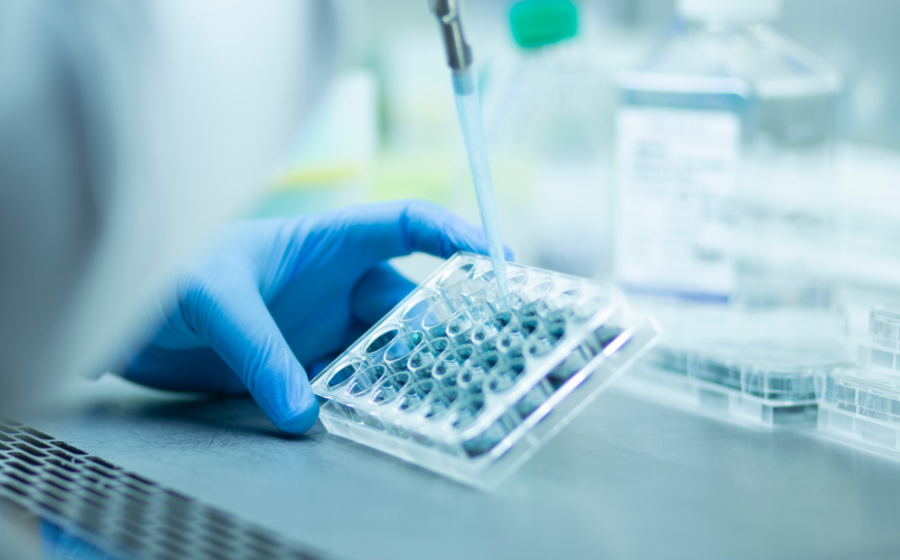
再生医療といっても、幹細胞の培養の方法は
クリニックによって全然違うんだよ。
It's just like how the same ingredients can produce
completely different tasting dishes depending on the cook and recipe.
独自開発の「分離シート」を使うことで強い生命力を持った幹細胞の培養ができるんだ。
これなら従来の脂肪分解酵素という化学薬品を
使わなくて済むので、アレルギーの心配がないんだ。
高い技術力を必要とする「分離シート」での細胞培養は、国内ではほとんど行われていないんだね。
さらに化学薬品を使わず、無添加なんてすごい!
これなら安心して身体に投与できるね。
当院の細胞培養加工施設では日々、幹細胞の培養方法を研究していて、さらなる生命力の強い幹細胞の培養を目指しているんだ!
老化の過程で、全細胞に占める幹細胞の割合は徐々に減少します。加齢期の骨髄中の間葉系幹細胞の割合は、新生児の1/200以下と報告されています。
しかし、当院独自の培養によって、80歳の方でも一回の点滴で最大2億個まで培養が可能となっています。

At our clinic, stem cell therapy is performed according to the following procedure.

01
The physician will conduct a detailed investigation of the patient's condition and confirm whether stem cell therapy is suitable. After confirmation, the specific treatment process and details are explained, and if consent is obtained, a blood sample is drawn to test for infections and other diseases. After that, we will ask the patient to submit a consent form and start the treatment.

02
Local anesthesia is administered to the patient's lower abdomen, and about three grains of fatty tissue are extracted.

03
We have submitted a notification to the Ministry of Health, Labor and Welfare and professionally process adipose tissue collected at an accepted cell culture center into the specific cellular products required for treatment.

04
Intravenous infusion (approximately 80 minutes)
There are viral hepatitis types A through E, and some are also associated with EB virus and cytomegalovirus. The disease is classified into acute and chronic hepatitis according to the progression of the condition. There are two routes of transmission: oral (types A and E) and parenteral (types B, C, and D).
The infection can be transient or persistent. Transmission can occur through tattoos, sharing toothbrushes and razor blades, blood transmission through piercing, mother-to-child transmission, and sexual transmission. Sexual transmission is the most common route of infection in Japan.
In the case of acute hepatitis, symptoms such as jaundice, fatigue, nausea, and loss of appetite appear after an incubation period of several weeks after infection, and the disease may deteriorate into fulminant hepatitis.
In the case of mother-to-child transmission, about 90% of infected individuals become asymptomatic carriers and show no symptoms. About 10% of them will develop chronic hepatitis, and there is a risk that the disease will eventually progress to cirrhosis and hepatocarcinoma.
In the case of chronic hepatitis, there is no specific drug to eliminate the virus. The disease progresses and must be addressed to prevent cirrhosis and liver cancer. Treatment options include antiviral therapy (e.g., interferon and nucleic acid analogs), hepatoprotective therapy, and immunotherapy (e.g., steroid rebound therapy).
Stem cell therapy is a treatment that aims to repair and regenerate destroyed cells in the liver.
Seventy percent of people infected with the virus do not develop acute hepatitis, and it is common for the infection to be subclinical. Most of them will develop chronic hepatitis, and 30% will progress to cirrhosis. Subsequently, it is thought that the disease tends to progress from cirrhosis to hepatocarcinoma. When liver failure occurs, ascites, jaundice, and impaired consciousness are seen.
In treatment, interferon-free allows viral elimination in more than 95% of patients.
However, once the liver is destroyed and fibrotic, it cannot be reversed, so follow-up is necessary to check the progression of liver cancer.
Stem cell therapy is a treatment that aims to repair and regenerate destroyed cells in the liver.
The disease is seen primarily in middle-aged women, and autoimmune mechanisms are believed to attack hepatocytes. Viral infection and genetic factors are also thought to be involved.
Symptoms commonly include fatigue, jaundice, and anorexia; arthralgia and fever are also frequent. Complications of collagen disease are identified in about 30% of cases and include chronic thyroiditis, Sjögren's syndrome, and rheumatoid arthritis.
Steroids are the first choice.
It refers to a disease in which fat accumulates in the liver due to overeating, excessive alcohol intake, and lack of exercise. Recent studies have shown that fatty liver can develop even without alcohol consumption, eventually progressing to hepatitis, cirrhosis, and even liver cancer. This is called non-alcoholic steatohepatitis (NASH). Biopsy is used to make a definitive diagnosis.
Diet and exercise therapy.
Stem cell therapy is a treatment that aims to repair and regenerate destroyed cells in the liver.
Even if you don't drink alcohol
you're still at high risk for liver cancer.
Liver cancer is classified into primary liver cancer and metastatic liver cancer. Primary hepatocellular carcinoma is hepatocellular carcinoma originating from hepatocytes and cholangiocarcinoma (intrahepatic cholangiocarcinoma) originating from bile duct cells, while metastatic hepatocarcinoma is carcinoma that has progressed from other sites. About 90% of primary hepatocellular carcinomas are primary hepatocellular carcinomas, and about 75% of primary hepatocellular carcinomas are associated with hepatitis B virus (HBV) and hepatitis C virus (HCV). However, in recent years, non-viral hepatocellular carcinomas based on lifestyle-related diseases such as non-alcoholic steatohepatitis (NASH), diabetes mellitus, and hypertension have been increasing.
Type II and Type III regenerative medicine, etc.
Plan of provision Notified
Repair Cell Clinic has submitted a Type 2 and Type 3 Regenerative Medicine Provision Plan to the Ministry of Health, Labour and Welfare, which has been accepted.
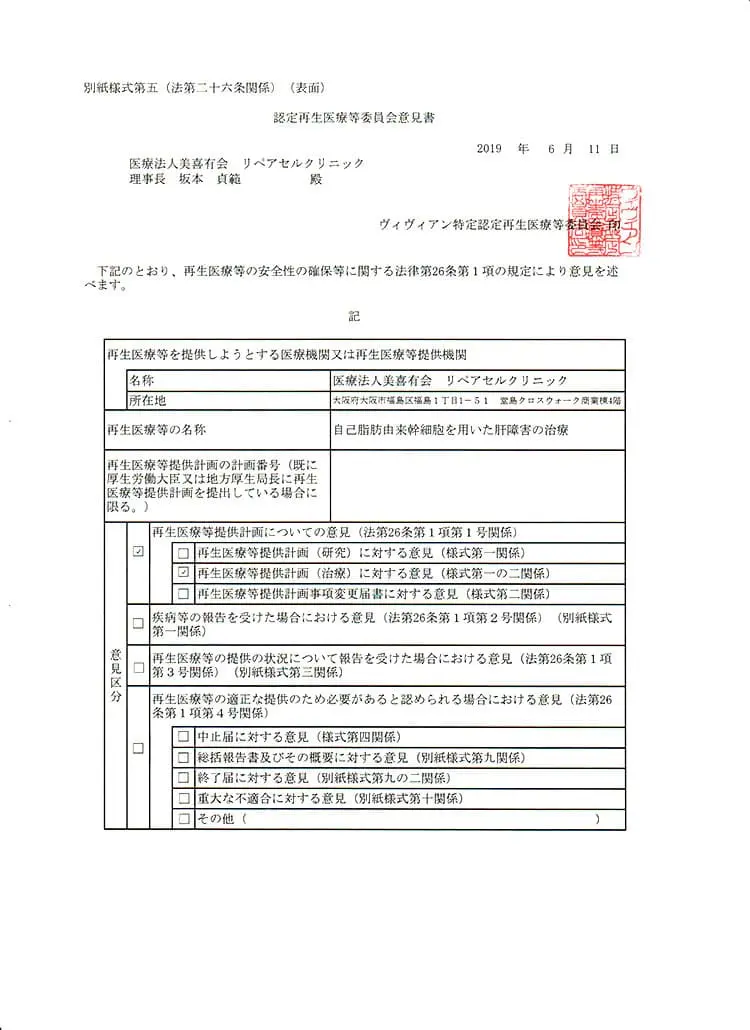
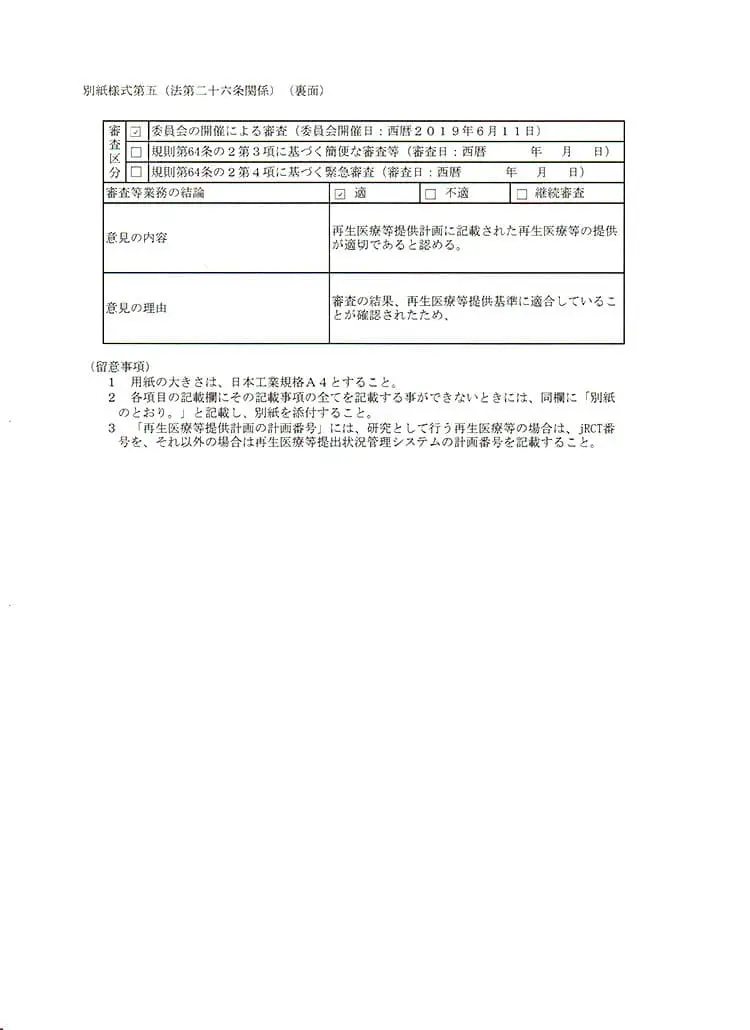
Our clinic provides cutting-edge regenerative medicine using autologous stem cells, one of the few in Japan, for "osteoarthritis," "stroke," "diabetes," "liver disorders," and "skin regeneration," as well as intra-articular administration of PRP (platelet-rich plasma) under the Regenerative Medicine Safety Assurance Act, as a free medical service. Regenerative medicine is subject to strict review by the Ministry of Health, Labour and Welfare (MHLW), and a treatment plan can be submitted to the MHLW only when the appropriateness, safety, and physician system of the treatment are deemed appropriate.
 top
top