






Regenerative medicine and stem cell therapy for hip joint pain and osteoarthritis hip joint pain

  • HOME
  • Treatment
  • Regenerative medicine and stem cell therapy for hip pain and osteoarthritis

Painful pain, numbness and hip joint treatment Treating with regenerative medicine
Osteoarthritis
Non-surgical, non-surgical treatments that avoid surgery

Our unique
treatment

Complete recovery without surgery, even in the terminal stage!
Pinpoint injections are the key! Pain is relieved, and walking returns to normal.

Notified by the Ministry of Health, Labor and Welfare! What is the next generation of regenerative medicine?
Dr. Sakamoto explains in detail about "regenerative medicine by induction of differentiation (stem cell therapy)" that intensively regenerates damaged tissues at
!

What you can no longer do, you can do again.

Facing the Limitations of Insurance Reimbursement

Compared to joints such as the knee and shoulder, the number of medical institutions that provide treatment for osteoarthritis of the hip joint using injections has been limited, even in insurance reimbursement.

Symptomatic treatment for pain relief is the main objective at these insured facilities, and includes analgesic medications, weight management to reduce burden, and rehabilitation.

I used to give hip joint injections for pain relief to those who were having difficulty in decreasing their pain. However, the effect of hip joint injections was not so promising, and sometimes the pain could not be sufficiently alleviated.
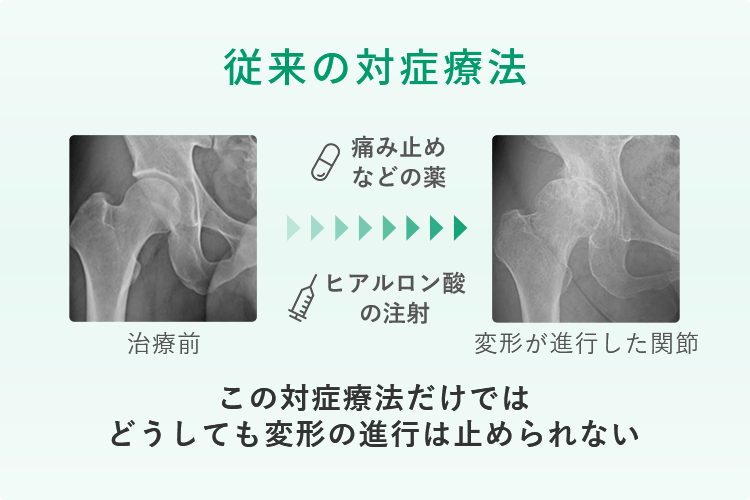
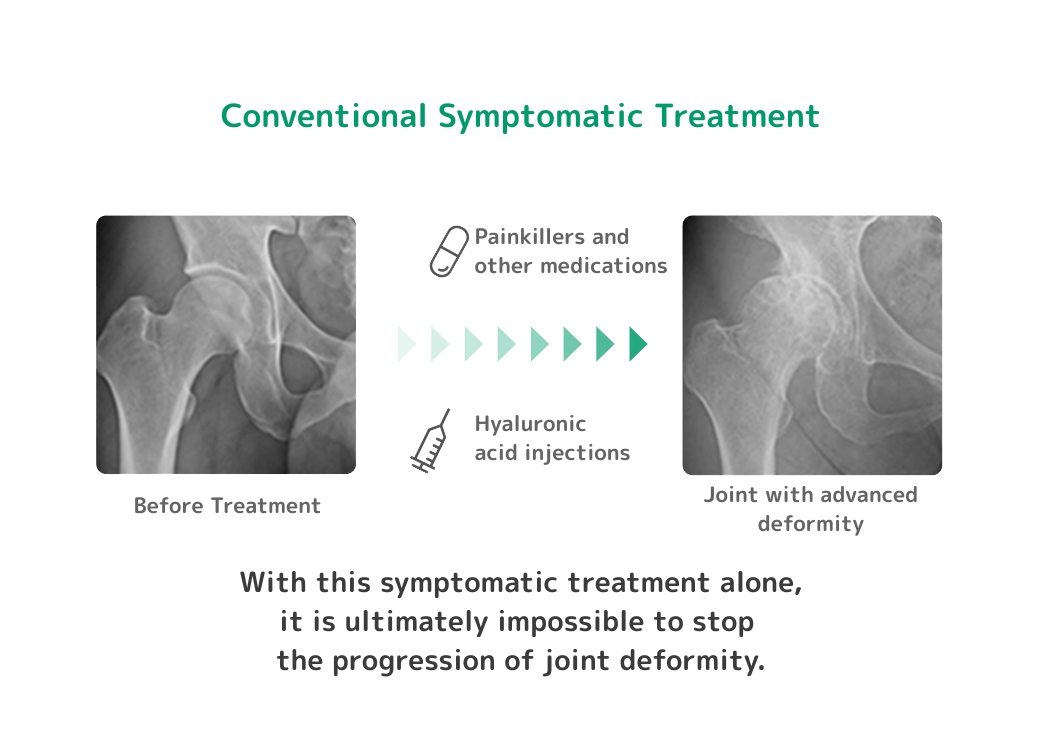
Conventional symptomatic treatment does not stop the progression of hip deformity
Dr. Sakamoto, Regenerative Medicine Specialist

There are also those who have been diagnosed with osteoarthritis of the hip joint but do not have noticeable symptoms. Even when there is no pain and no impact on daily life, cartilage wear and hip deformity progress gradually.

Some patients have a condition called rapid destruction of the hip joint (RDS), in which deformity progresses rapidly in a short period of time, so regular medical examinations and x-rays are necessary if any abnormality is felt in the hip joint.

In either case, conventional insurance-based treatment often focused more on relieving pain through injections and rehabilitation, rather than aiming for dramatic improvement. In the past, I treated patients with a sense of frustration under such limitations.

For those who wish to avoid arthroplasty
New treatment options

Before I came across regenerative medicine, I, like other doctors, recommended treatment with arthroplasty for patients whose daily lives were greatly affected by the progression of osteoarthritis of the hip joint. It was a difficult decision because at that time, there were only two options: conservative therapy or surgery.

However, many were reluctant to undergo surgery for reasons such as "I want to avoid surgery because of the risks involved" or "It is difficult to stay in the hospital for a long period of time due to work or family reasons. There were also those who had underlying diseases or were too old to undergo surgery. Therefore, we focused our attention on "regenerative medicine," a new option that is not conventional conservative or surgical treatment.

Stem Cell Image

Many patients suffering from the symptoms of osteoarthritis of the hip and those who wish to avoid surgery visit our clinic to receive treatment with regenerative medicine.

Hearing such positive feedback truly makes me happy, and I genuinely feel that encountering regenerative medicine was one of the best decisions I’ve made. The term "regenerative medicine," which was previously unfamiliar to many, is gradually gaining recognition, and there are high expectations for this innovative, state-of-the-art treatment that can be performed without placing a burden on the body.

Restarting with Regenerative Medicine

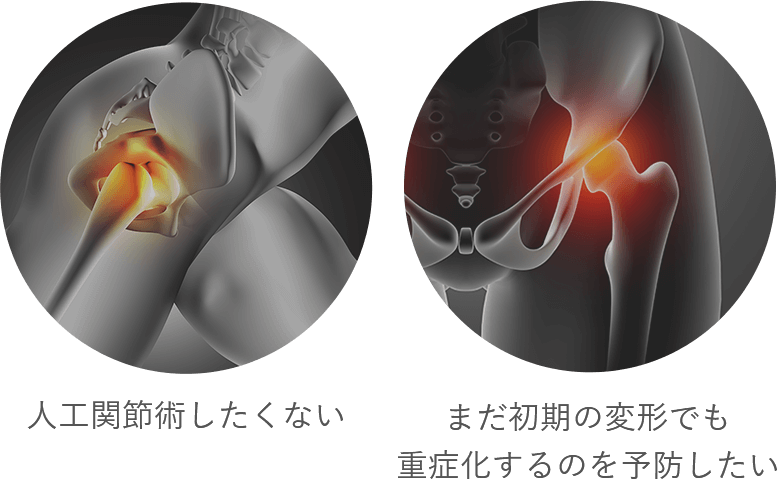
Avoiding Artificial Joint Surgery
The Potential of Regenerative Medicine

Injecting stem cells into the hip joint will regenerate damaged cartilage, reduce pain, and increase the likelihood of avoiding surgery. Even if hip osteoarthritis is currently in its early stages, deformity will surely develop in the future. Regenerative medicine is a powerful preventive measure.

In addition, regenerative medicine before osteoarthritis progresses to the terminal stage can be expected to prevent the condition from becoming severe enough to warrant arthroplasty. The risk of various complications from arthroplasty can result in thrombosis, infection, bleeding, and nerve damage.

Regenerative medicine using adipose-derived stem cells is a cutting-edge therapy that has already received a great deal of attention in Japan, with many case reports and results in the world for alleviating the symptoms of osteoarthritis.

Treating the Hip Joint with Regenerative Medicine
I want to prevent serious deformities even if they are still in the early stages of deformity.
For regenerative medicine. For regenerative medicine.
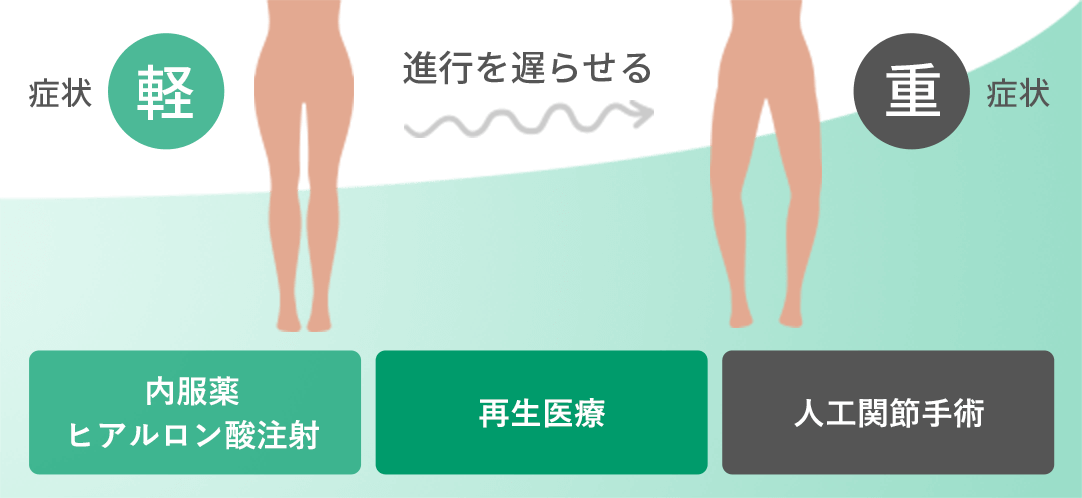
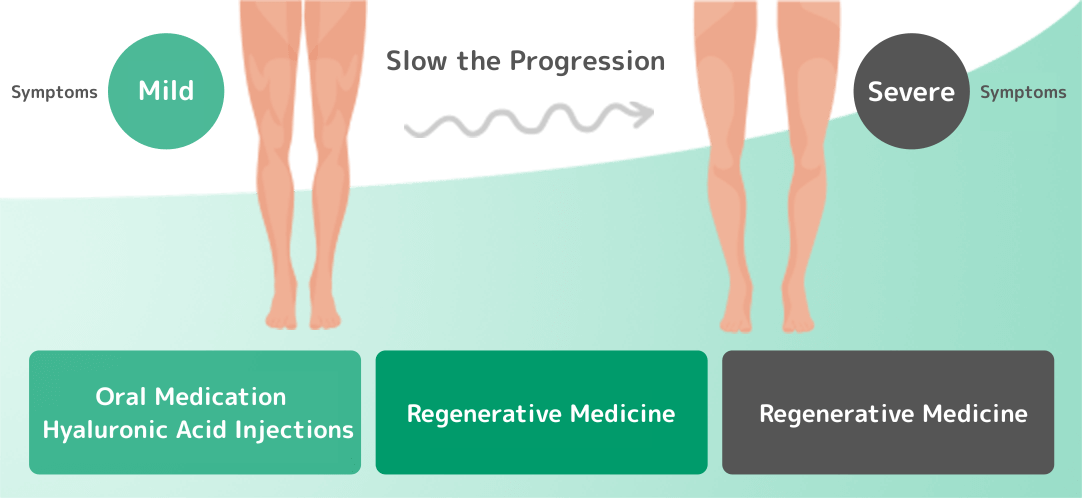
Hip deformity, slowing progression Hip deformity, slowing progression

Our Strengths in Regenerative Medicine

In comparing regenerative medicine
this is a very important factor!

In comparing regenerative medicine, it is important to focus on differences in treatment precision and technology.
Let's take a closer look at the features of the regenerative medicine we offer.

1. Our unique intra-articular pinpoint injection

Let's look together at the advanced treatment techniques, special needles and equipment,
and the treatment that can be done
because we have one of the best cell culture laboratories in the country!

High-precision treatment techniques required for regenerative medicine of the hip

Using echo and x-ray equipment, we identify the most damaged areas of cartilage within the hip joint and administer stem cells with pinpoint accuracy using a special injection needle. By utilizing such advanced state-of-the-art technology, high therapeutic effects can be expected.

In addition, a top-class cell processing laboratory in Japan performs stem cell culture to achieve the high therapeutic precision required for regenerative medicine of the hip joint.

Intra-articular pinpoint injections into the hip joint are unique to our clinic.
Difficulties in Hip Regenerative Medicine

Of particular importance in regenerative medicine for the hip joint is the number and quality of stem cells. Since the hip joint is the largest joint in the body, the number of stem cells is very important. In addition, a high survival rate and a high standard of quality of stem cells will lead to the effectiveness of regenerative medicine for the hip joint.

In addition, the hip joint has a narrower joint space than other joints, making it more difficult to inject. Therefore, techniques to accurately administer high-quality stem cells are required. These factors may be the reason why regenerative medicine for the hip joint is not widely used in Japan.

Hip regenerative medicine requires both high
quality and quantity of stem cells!

Yes, and besides the quality and quantity of stem cells,
it requires advanced techniques. You have to inject them well into
places where the joints are tight.

Our clinic enables
direct stem cell infusion therapy into the hip joint

Our stem cell therapy for hip joints is focused on " the quality and quantity of stem cells" and "the reliable delivery of stem cells to the damaged site in the hip joint. Therefore, we use echo equipment, special x-ray equipment, and special needles to pinpoint the delivery of stem cells into the hip joint.

In addition, we collaborate with one of the best cell processing laboratories in Japan in terms of the quality and quantity of stem cells, and many people have received stem cell therapy for their hip joints, which is usually considered to be difficult.

Therapy to pinpoint delivery of stem cells to weak areas of the hip joint

Intra-articular pinpoint injections are highly effective because they administer stem cells
pinpointed at the site of injury
!

Our unique method of administering into the hip joint

Our unique intra-articular pinpoint injection

Our unique intra-articular pinpoint injection

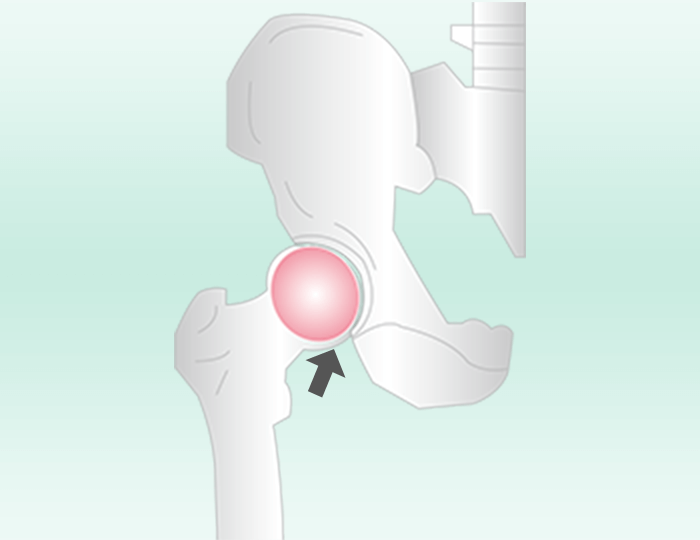
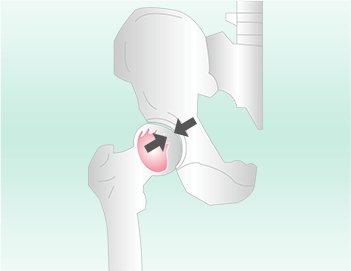
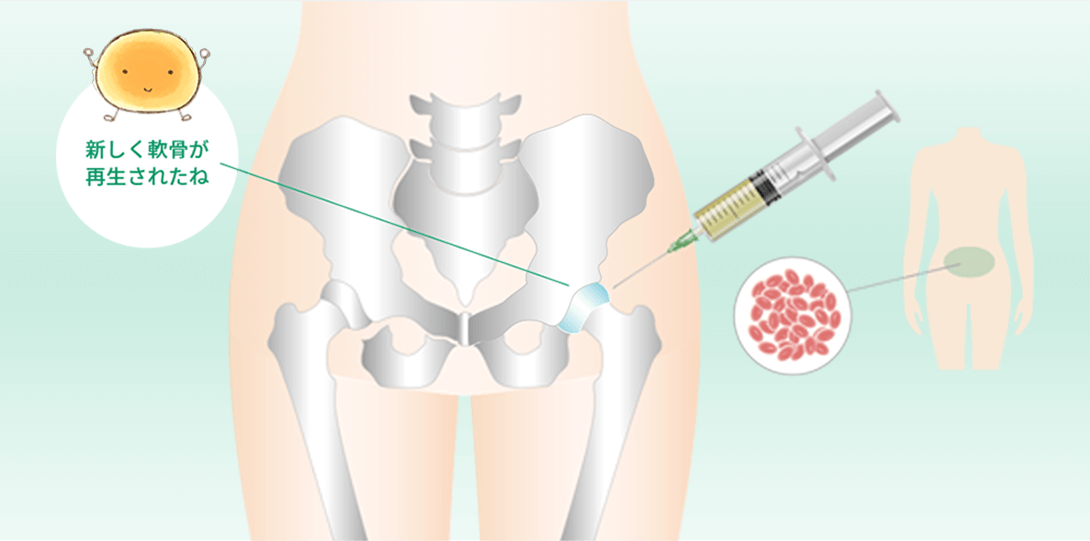
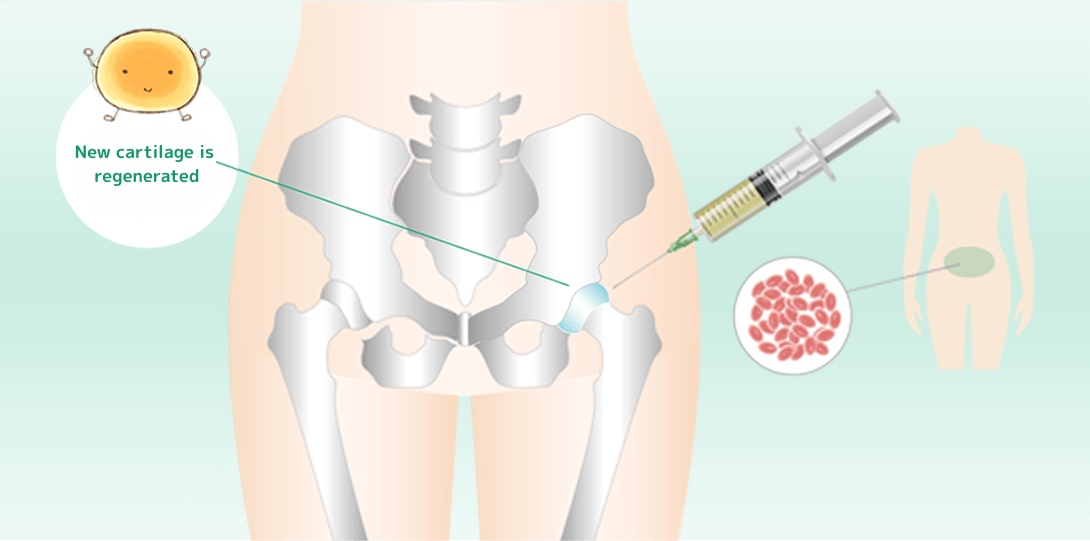
Using a special needle, echo equipment, and special x-ray equipment, stem cells are injected to pinpoint the most damaged areas of cartilage in the hip joint. As shown in the figure on the left, stem cells are injected into the pink area to promote cartilage regeneration.

The stem cells are injected
with pinpoint accuracy into the damaged area so that cartilage can be regenerated!

We use stem cells from one of the top
cell processing labs in the country that have passed our high standards.


General Intra-Hip Dosing Methods

Common hip joint injection methods

The joint is encased in a pouch called a joint capsule. The most common method for injections into the hip joint is to insert the needle into the outside of the joint. This method is technically easy to perform and is often employed.

However, in osteoarthritis, the joint space is narrow, making it difficult for stem cells injected here to reach the damaged area within the joint. In addition, due to gravity, stem cells stay in the lower part of the joint capsule, making it even more difficult for them to reach the damaged area in the joint.

2. The greater the number of stem cells, the greater the effectiveness.

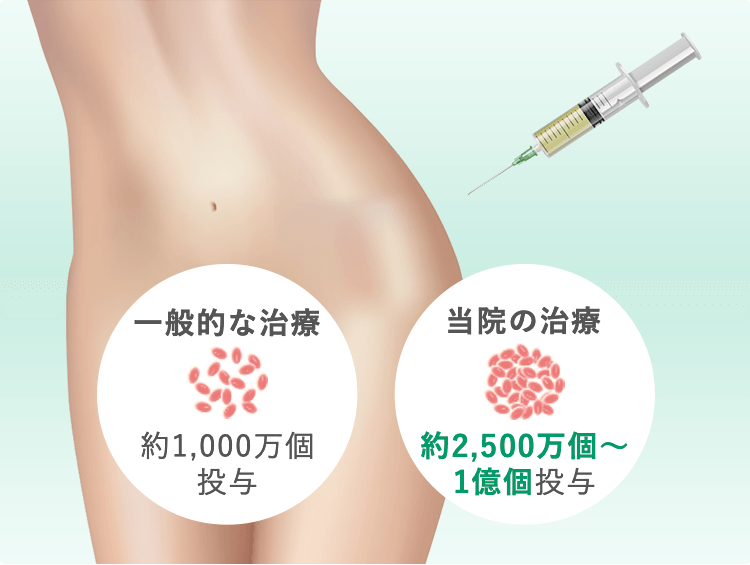
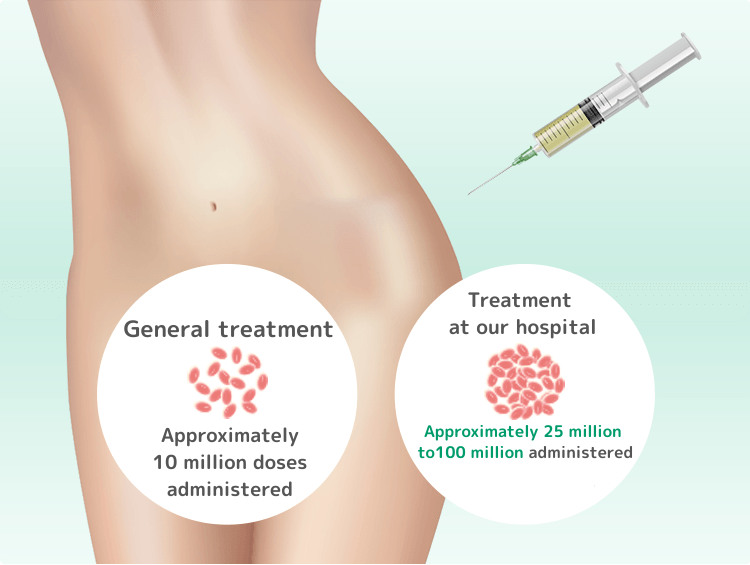
Generally, about 10 million stem cells are administered, but at our clinic we administer an overwhelming number of stem cells, ranging from 25 million to over 100 million, depending on the condition of the joint.

Regenerative medicine for hip joints, generally about 10 million cells are administered; with our stem cell therapy, about 25 to 100 million cells can be administered.
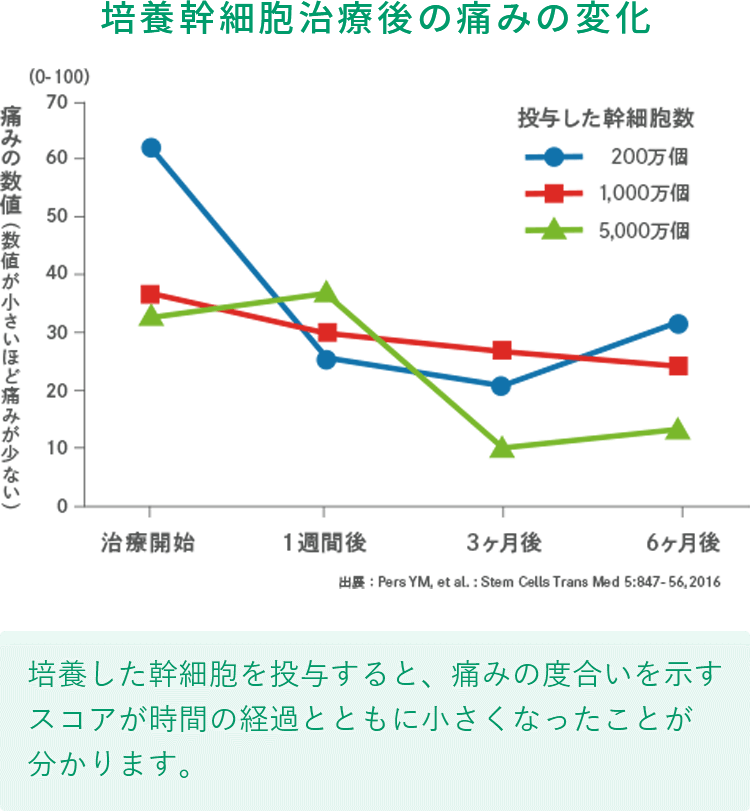
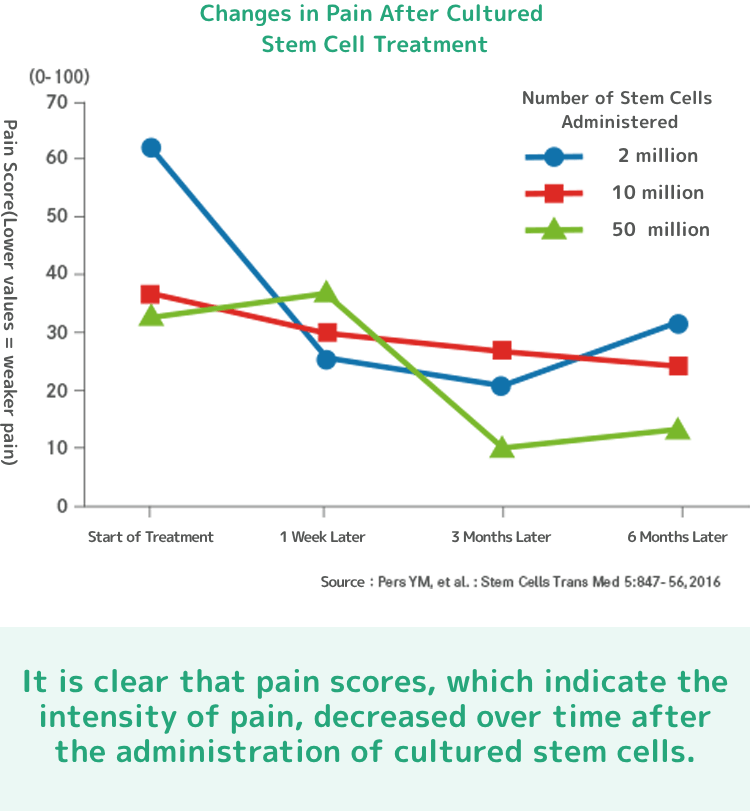
Hip joint, pain changes after cultured stem cell therapy
Changes in pain after cultured stem cell therapy
Dr. Sakamoto is also on YouTube! Check out his regenerative medicine channel. Dr. Sakamoto is also on YouTube! Check out his regenerative medicine channel.

Patient Interview vol.007] Experiencing regenerative medicine /
Woman in her 50s with bilateral osteoarthritis of the hip joints

For those suffering from osteoarthritis of the hip

Have you heard of regenerative medicine?

Have you heard of regenerative medicine?

The clinic offers
free consultations.

Free Consultation
  • Treatment methods and results
  • Unique stem cell therapy technology
  • Safety and risks
  • Treatment plans and pricing
Chairman Sakamoto
Call for a free consultation 0120-706-313 Toll free/ Office hours: 09:00-18:00
Dr. Sakamoto will explain! (Dr. Sakamoto)

What is
our regenerative medicine for osteoarthritis of the hip joint?

These people are suitable for regenerative medicine

  • I have been advised to have artificial joint surgery
    but I am
    resistant

  • I can't get
    time off to be hospitalized.

  • I don't feel
    successful in my current treatment.

  • I was told there was necrosis in the bone

Our Stem Cell Strengths

Characteristics of our hospital (1)

A New Stage in Stem Cell Therapy
Regenerative Medicine Moves into the Era of Differentiation Induction|Joint Therapy

Regenerative medicine using differentiation induction enables more extensive repair of articular cartilage, meniscus, and osteonecrotic areas.

Delivering what you need where you need it (differentiation induction)
"The Next Generation of Regenerative Medicine"

A New Stage of Stem Cell Therapy
The Next Generation of "Regenerative Medicine " for Joints by Differentiation Induction

In our body, there are "stem cells," that can change into various forms like a fertilized egg.

For example, it can transform itself into nerves, blood vessels, bones, blood, muscles, etc.

This ability to transform is called differentiation..

I see that stem cells can differentiate into various tissues such as nerves, blood vessels, bone, blood, muscle, etc.

Stem cell differentiation

The process of guiding stem cells that change into various forms to differentiate into specific tissues such as bones and nerves is called "induction of differentiation.

By inducing differentiation, the administered stem cells can be fully utilized, thereby increasing the regenerative capacity of the targeted tissue.

By inducing stem cells to differentiate into
specific tissues, such as nerve or bone, you can increase the regenerative capacity of the
tissue you want to repair!

Induction of stem cell differentiation

Safety and Security

In this differentiation induction process, we do not use any chemical substances or manipulate genes. We use the power of our own cells, so you can receive our treatment with peace of mind.


regenerative medicine for joints by induction of differentiation

The cartilage of the joints has a foundation, which is called the subchondral bone (nankotsukakotsu).

By differentiating and inducing stem cells in this subchondral bone, it is now possible to prepare the foundation and generate a lot of cartilage on top of it, and also to maximize the effect on pain.

In order to regenerate cartilage in the joints, it is important to prepare the "subchondral bone,"
which is the foundation of the cartilage?

Regenerative medicine of joints by induction of differentiation

Characteristics of our hospital (2)

The quality of
stem cells is high because they are cultured without freezing.

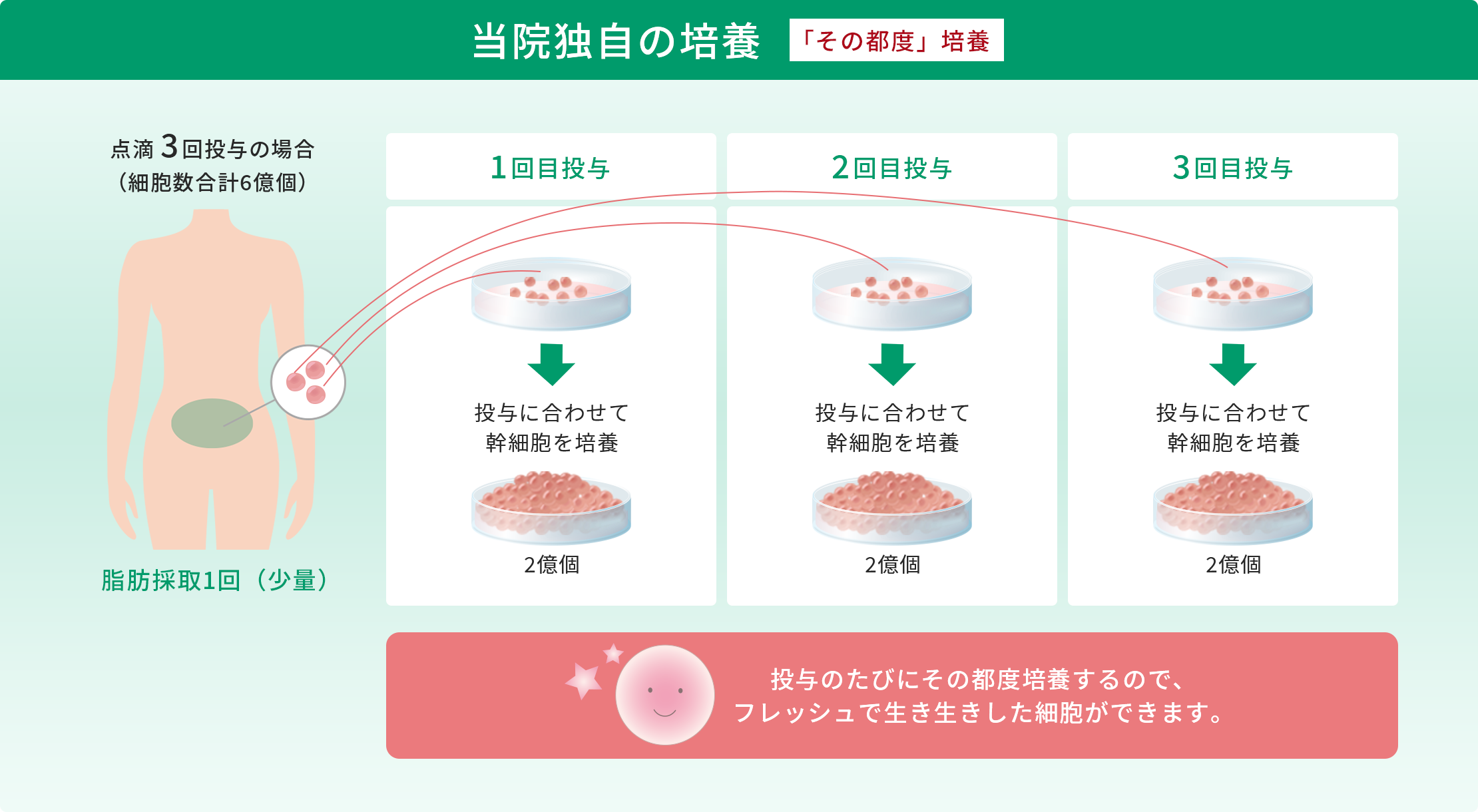
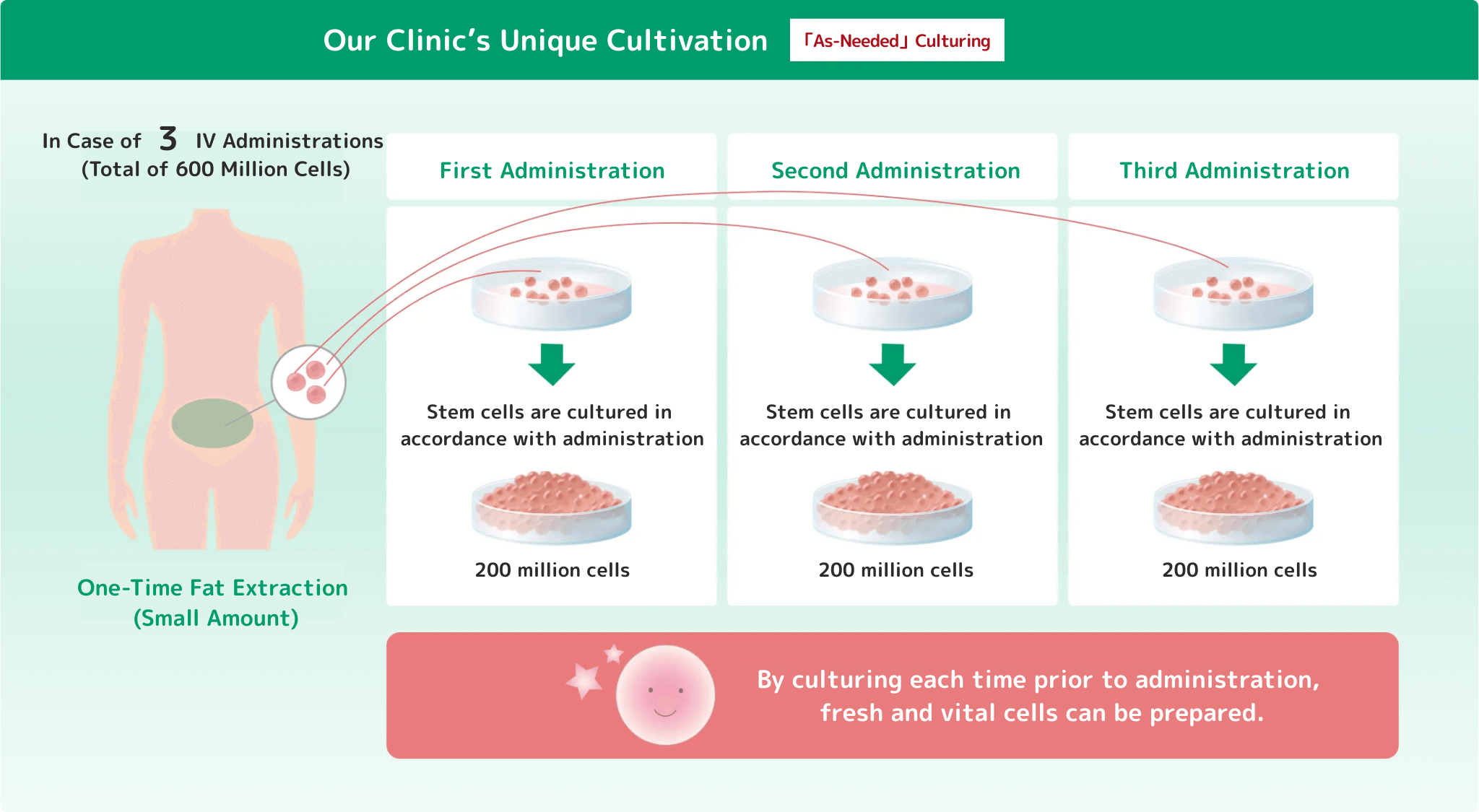
Since the stem cells are cultured each time they are administered without freezing, they boast a high survival rate.

Our original culture, "as-is" culture

It's actually time-consuming to culture them "each time" as they are administered. But we use this method because it increases the survival rate at the time of administration!

Freshly cultured cells are fresh and lively! It is unique to our hospital that cells with high survival and activity rates can be administered every time.

Our original culture, "as-is" culture

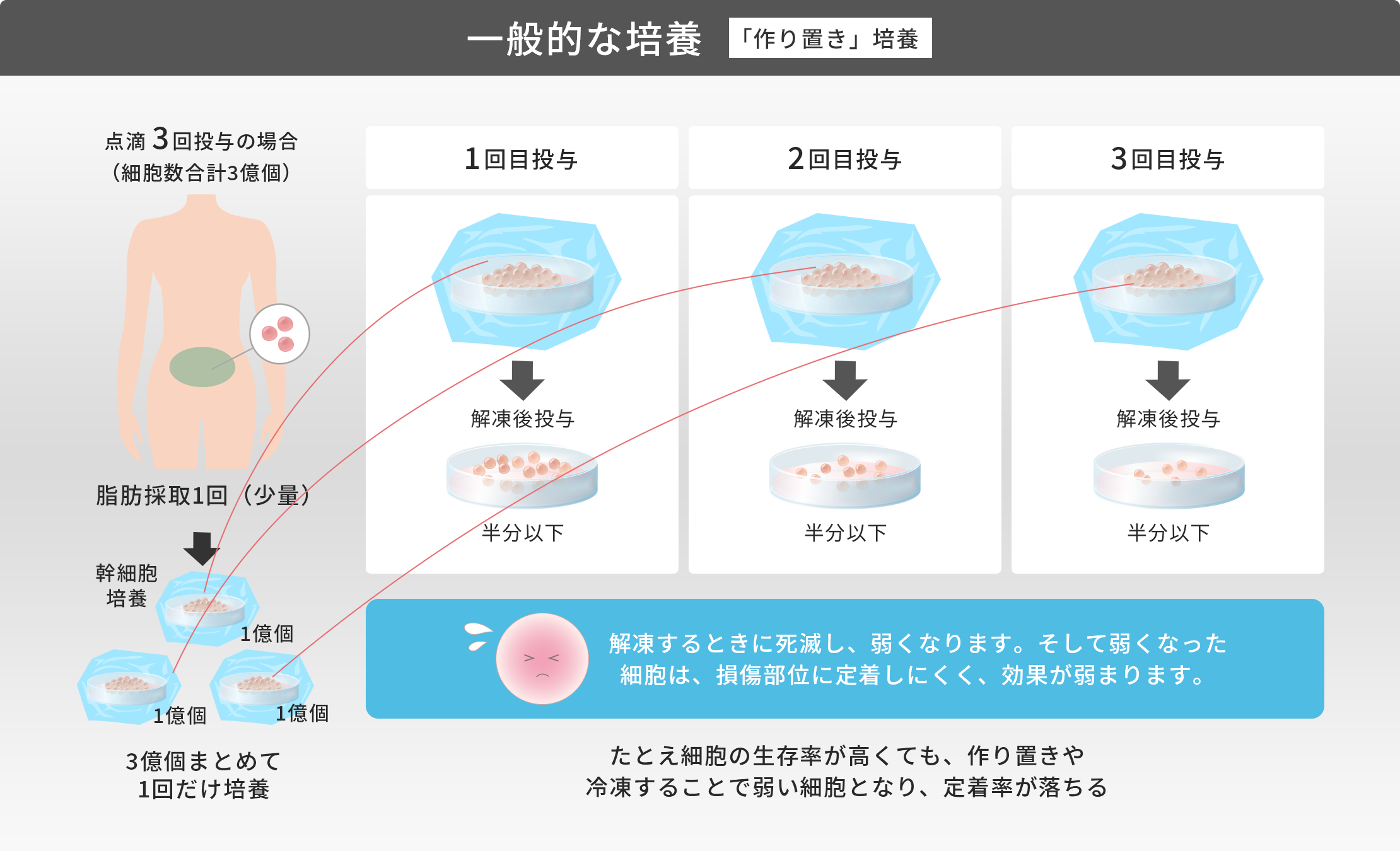
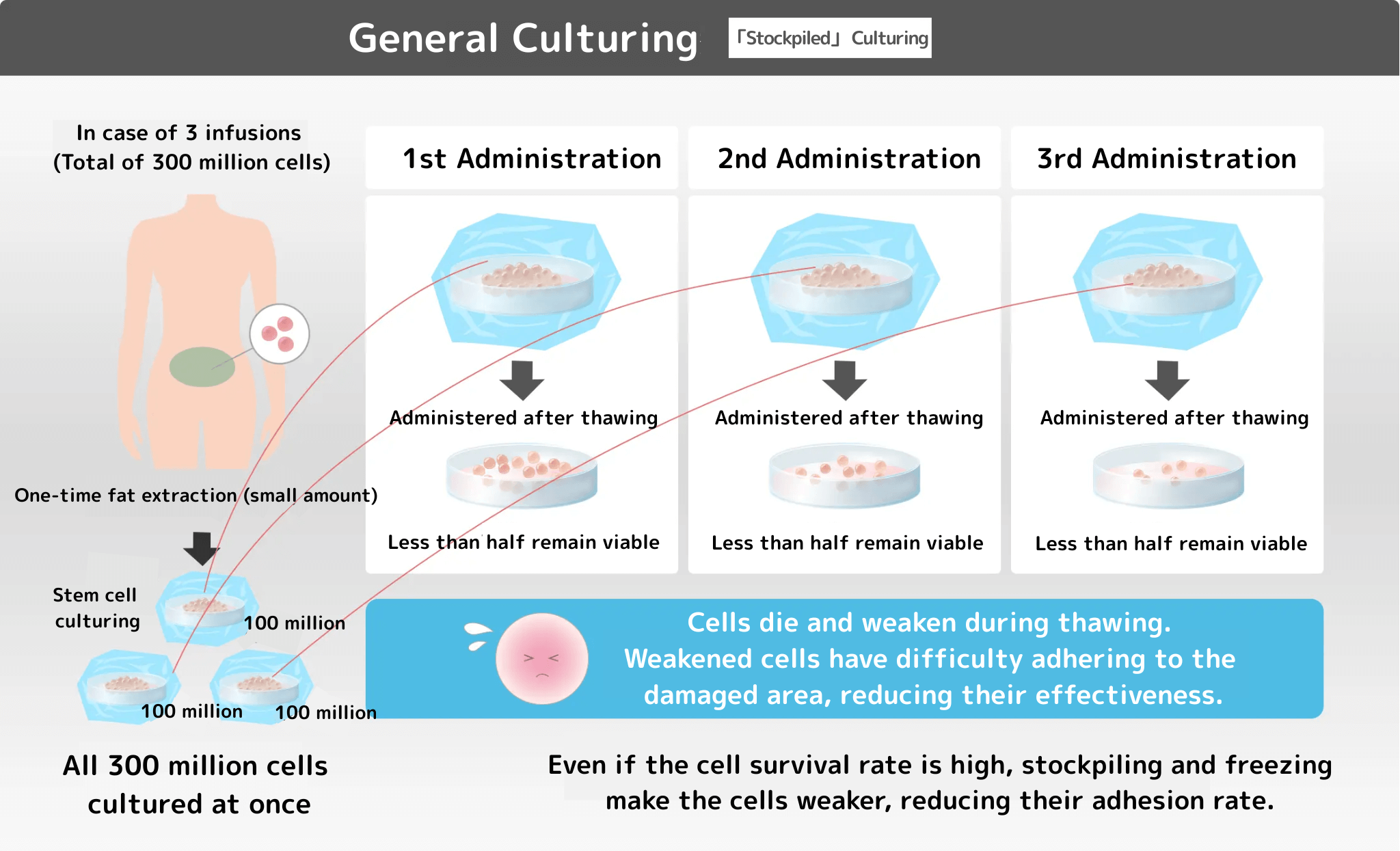
As the cryopreservation period increases, the cells gradually die, and the surviving cells also lose quality.

Foods also lose their taste and quality when frozen!
It is best to use "freshly prepared" food made "at the time of use" for both cooking and cellular products!

Exactly! I would say that the quality of our unique "on-the-spot" culture is completely different from the general "make-ready" culture.

In Typical Cell Processing Facilities...
Cells are often frozen during storage and transport.

In addition, cryopreserved cells that are made and stored in cell processing rooms are generally transported frozen to other medical facilities.

These cryopreserved cells are transported to medical facilities while frozen, then thawed before use.However, many cells die or weaken during the thawing process, reducing their effectiveness.

General cell processing room General cell processing room

Features of our hospital (iii)

Using the patient's own blood
Safe culture method without blood substitutes

We do not use blood substitutes in cell culture.

I don't use it.
  • Blood substitutes
    (bovine serum, artificial serum)
We do not use blood substitutes in cell culture.

We insist on using only your own cells and
blood!

High safety and survival rates

At our clinic, we culture with your own blood, which is free of impurities and chemicals, ensuring high safety and survival rates. Some facilities use bovine blood or artificial blood called serum-free medium for culture.

High safety and survival rates

Generally, bovine blood and serum-free culture media are used for research purposes, but there are still concerns about allergies and mad cow disease in the clinical setting when actually administered to the human body.

In addition, although culturing stem cells from one's own blood requires advanced culturing techniques, stem cells cultured from one's own blood have strong vitality and can firmly repair damaged areas, enabling treatment with high regenerative potential.

High safety because cells are cultured using the patient's own blood

It is very difficult to culture them using their own blood, but they grow more vibrant cells that way.

I guess using your own cells and blood is more
compatible.

Features of our hospital (4)

Advanced technology for stem cell extraction
Proprietary separation sheets without chemicals or additives

We do not use chemicals or additives in cell culture

I don't use it.
  • Lipolytic enzymes
    (Chemicals)
  •  additive
We do not use any chemicals or additives during cell culture.

No chemicals or additives are used!

High safety and security /
Original culture technology

  • Using our own separation sheet, it is possible to culture stem cells with strong viability.
  • In culture methods using common degradative enzymes (chemicals), cells are weak and survival rates are low. Allergy is also a concern.
High safety and security / Original culture technology

Characteristics of our hospital (5)

High survival and activity rates

Stem cell viability and activity

Understanding stem cell viability and activity rates is very important in understanding regenerative medicine. Even when we talk about stem cell regenerative medicine, there is no uniformity in the way cells are cultured at different medical institutions. This means that the degree to which stem cells are viable and effective also varies from institution to institution.

In other words, the survival and activity rates of stem cells vary from institution to institution, and if the survival and activity rates are low, the desired effect cannot be expected.
Now we will discuss survival and activity rates.

What is Survival Rate?

Viability is the percentage of cultured stem cells that are alive.

Our Stem Cell Culture

Our stem cell culture, high survival rate

General culture

General culture, low survival rate

What is activity rate?

The activity rate is the percentage of how healthy the living stem cells are.

Our Stem Cell Culture

Our stem cell culture, high activity rate Our stem cell culture, high activity rate

General culture

General culture, low activity rate General culture, low activity rate

Even at the same survival rate, if the living cells are
weaker, the fixation rate will also be lower.

No matter how high the survival rate is, if the living cells are inactive and weak, the stem cells will not be fully effective. In other words, even if the survival rate is high, if there are many weak cells with a low activity rate, the stem cell therapy will be less effective, the stem cell fixation rate will be low, and the therapeutic outcome will be poor.

Features of our hospital (6)

The amount of fat to be extracted is small (about 2-3 grains of rice)
and therefore less stressful to the body

A 1 cm incision is made around the lower abdomen and fat (about 2-3 grains of rice) is harvested. Stem cells are extracted and cultured from the harvested fat cells, and the number of stem cells is increased to 10 to 100 million before they are administered into the body. (The number of cells administered varies depending on whether it is intravenous infusion, intra-articular injection, or intraspinal injection.)
Because stem cells are grown in culture, fewer cells are needed to be harvested, the wound is smaller, and there is almost no pain, so the burden on the body is minimal.

Less burden on the body due to the small amount of cells collected (2-3 grains of rice)

Characteristics of our hospital (7)

Because more than 100 million cells can be administered,
treatment results are good

Since the stem cells are cultured each time they are administered without freezing, they boast a high survival rate.

Comparison of treatment outcomes
(for cartilage regeneration)

General Treatment

  • BEFORE (before stem cell administration) Sakamoto: "The light brown area is bare bone." BEFORE (before stem cell administration) Sakamoto: "The light brown area is bare bone."
  • Stem cell administration: 10 million typical doses Stem cell administration: 10 million typical doses
  • AFTER (6th month of stem cell administration) Cell-kun: "The white area is newly regenerated cartilage!" AFTER (6th month of stem cell administration) Cell-kun: "The white area is newly regenerated cartilage!"

Our Treatment

  • BEFORE (before stem cell administration) Sakamoto: "The light brown area is bare bone." BEFORE (before stem cell administration) Sakamoto: "The light brown area is bare bone."
  • Stem cell administration: 100 million typical doses Stem cell administration: 100 million typical doses
  • AFTER (6th month of stem cell administration) Cell-kun: "The white area is newly regenerated cartilage!" AFTER (6th month of stem cell administration) Cell-kun: "The white area is newly regenerated cartilage!"

Detailed treatment information

Treatment details
Cell therapy using autologous adipose-derived mesenchymal stem cells (intra-articular knee injection).
Since the cells are cultured each time they are administered without freezing, the stem cells have a high survival rate.

Duration and number of treatments

Studies have shown that effects begin to appear 3-6 months after administration.

cost

25 million pieces: 1,320,000 yen (including tax)
50 million pieces: 1,540,000 yen (tax included)
100 million pieces: 1,980,000 yen (tax included)
*This is an unreserved treatment.
A counseling fee of 3,300 yen (including tax) and a blood test fee of 11,000 yen (including tax) are required.
*The price is for a single dose. Discounts will be applied as the number of doses increases.
Major Risks and Side Effects

Pain, swelling, and internal bleeding at the treatment site (generally resolves in a few days)
Infection (extremely rare, but infection may occur during cell culture or administration)
Allergic reactions (extremely rare due to the autologous nature of the cells)
Individual differences in efficacy (efficacy may vary depending on symptoms and age)

The above image was taken from the article " Intra-articular injection of mesenchymal stem cells for the treatment of osteoarthritis of the knee: a proof-of-concept clinical trial. The image above is from the article "Intra-articular injection of mesenchymal stem cells for the treatment of osteoarthritis of the knee: a proof-of-concept clinical trial.
In this study, the best results were obtained in the high-dose (100 million stem cells) group. Effectiveness may vary from person to person. Please contact our clinic for more information.

Compared to 10 million,
100 million stem cells administered is more
cartilage!

Conclusion. Conclusion. The more stem cells administered, the more
Good treatment results

In the picture, you can clearly see that the more stem cells administered, the more cartilage
is regenerated!

It is common practice to administer about 10 million stem cells in a joint. However, at our clinic, we can administer more than 100 million fresh stem cells that have not been cryopreserved, depending on the patient's symptoms.

It has been proven in clinical data from overseas that the greater the number of stem cells administered, the better the therapeutic outcome.

In addition..!

The quality assurance by a third-party organization makes
safe and secure.

All stem cells confirmed to meet quality standards

All stem cells confirmed to meet quality standards

Stem cells cultured under strict control are
evaluated for quality by a third party
to see how they really are!

It's like a certificate of authenticity that proves that the diamond ring is real and of what quality.

Once worn away and lost, cartilage
will not return to normal on its own.

What happens when you have osteoarthritis
?

Inflammation occurs due to damage to the cartilage of the hip joint caused by various factors, resulting in pain at the base of the leg, the front of the thigh, and the buttocks when walking or standing up. As the hip deformity progresses, the joint becomes less mobile, making it difficult to put on socks, cut toenails, sit up straight, and even sleep with pain.

As the deformity progresses further, the length of the legs changes from side to side, resulting in a limping gait (lameness). And once the cartilage is worn away, it cannot return to normal by itself.

img happen
  • initial

    Hip joint clearance is maintained.

    Joint clearance is maintained.

  • advanced stage

    Narrow hip joint clearance.

    Narrow joint gaps.

  • terminal (e.g. cancer, disease, etc.)

    Deformation of the hip bone.
    Deformation of the hip bone.

    Bone deformation

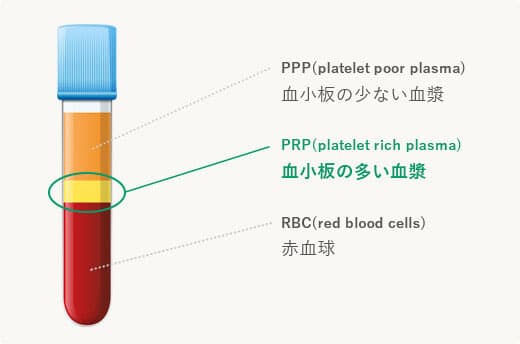
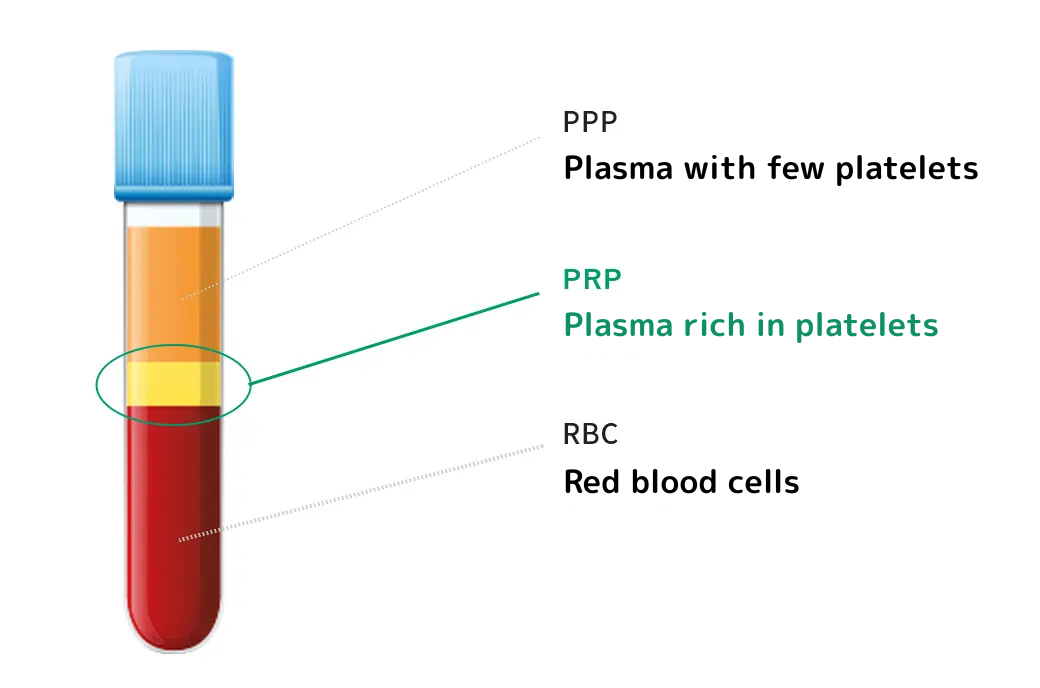
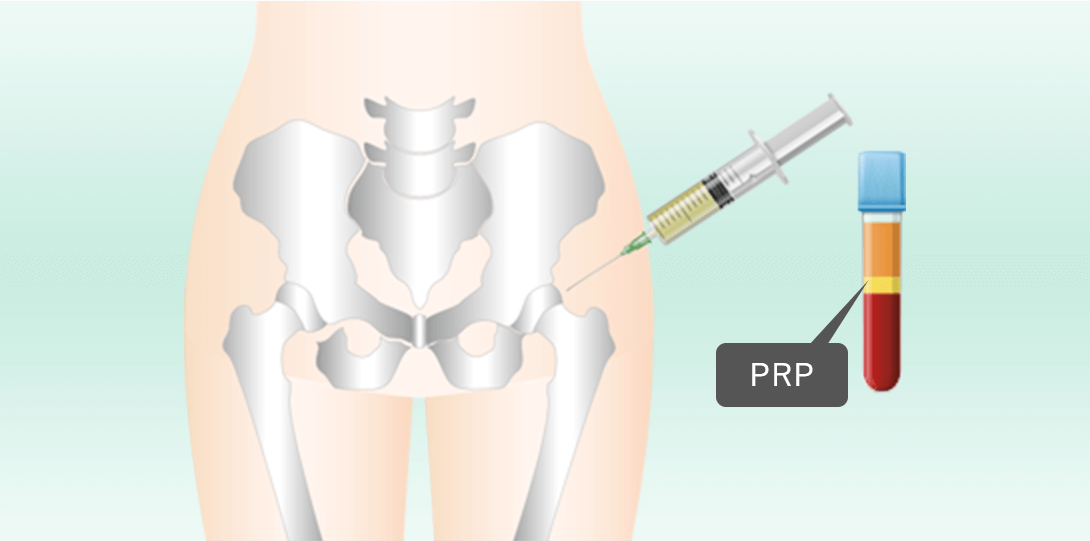
PRP (platelet-rich plasma) therapy is
another regenerative medicine

PRP (platelet-rich plasma) therapy is a treatment method that utilizes growth factors (the ability to repair wounds) produced from platelets in the body. This method of treatment enhances the body's innate "healing power.

PRP is platelet-rich plasma

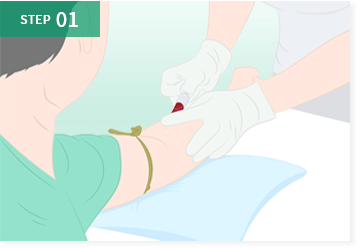
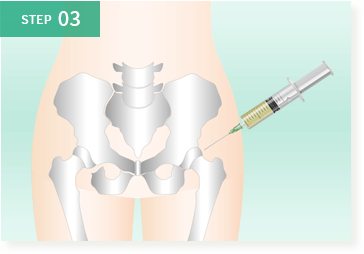
PRP Treatment Flow

  • Blood sampling for prp creation

    drawing blood

  • Production of PRP, centrifugation and extraction of plasma components

    Centrifugation and extraction of plasma components

  • Injection of PRP into the affected area

    Injection into the affected area

So what is the difference between stem cell therapy and PRP therapy
?

In stem cell therapy, stem cells are transformed into cartilage cells, which can repair and regenerate worn cartilage. On the other hand, PRP does not contain stem cells and therefore does not have the ability to regenerate cartilage, but only to reduce inflammation in joints.

So only stem cells can produce cartilage for the hip joint, and PRP is like making highly effective hyaluronic acid from your own blood.

  • PRP Therapy

    PRP Therapy

    Platelet-rich PRP is extracted from
    and injected into the hip joint

    No stem cells, no cartilage.

  • stem cell therapy

    Stem cell therapy (regenerative medicine)
    Stem cell therapy (regenerative medicine)

    Stem cells are removed from the body and injected into the
    hip joint

    Cartilage is produced from stem cells.

Hip pain,
What happens if left untreated?

As hip deformity progresses and pain and other factors affect walking and daily life, surgery such as artificial joint replacement must be chosen. However, surgery is a heavy burden on the body, and those who do not want to or cannot undergo surgery often choose to continue conservative treatment. As walking becomes more difficult, people go out less frequently, and their physical strength and muscle power deteriorate, often leading to a wheelchair or bedridden state.

Undergoing a major surgery such as arthroplasty can be physically and emotionally taxing. We have also seen many patients who have to make difficult decisions because there is a possibility that even if they undergo arthroplasty, they may not be completely pain-free.

Stem Cell Therapy Procedure

At our clinic, stem cell therapy is performed according to the following procedure.

  • Initial consultation and interview (approx. 2 hours)

    01

    Initial consultation and interview (approx. 2 hours)

    The physician will conduct a detailed investigation of the patient's condition and confirm whether stem cell therapy is suitable. After confirmation, the specific treatment process and details are explained, and if consent is obtained, a blood sample is drawn to test for infections and other diseases. After that, we will ask the patient to submit a consent form and start the treatment.

  • Fat collection (about 30 minutes)

    02

    Fat collection (about 30 minutes)

    Local anesthesia is administered to the patient's lower abdomen, and about three grains of fatty tissue are extracted.

  • Cell Culture Process

    03

    Cell Culture Process

    We have submitted a notification to the Ministry of Health, Labor and Welfare and professionally process adipose tissue collected at an accepted cell culture center into the specific cellular products required for treatment.

  • Local administration of specific cellular products (from about 5 min.)

    04

    Administration of specific cellular products

    Local administration (from about 5 min.)

For those suffering from osteoarthritis of the hip

Have you heard of regenerative medicine?

Have you heard of regenerative medicine?

The clinic offers
free consultations.

Free Consultation
  • Treatment methods and results
  • Unique stem cell therapy technology
  • Safety and risks
  • Treatment plans and pricing
Chairman Sakamoto
Call for a free consultation 0120-706-313 Toll free/ Office hours: 09:00-18:00

Overview and Causes

Primary, secondary, congenital hip dislocation, acetabular dysplasia, etc.

primary

It is a joint deformity with no known cause and is most common in Europe and the United States.
Overload due to aging, weight gain, work environment, sports, etc.

secondary

In Japan, 90% of patients have this type of arthropathy, which is mainly caused by congenital anomalies or following a late-onset disease.
Typical congenital anomalies are congenital hip dislocation and acetabular dysplasia, which are more common in women. Other causes include those that are present at birth or more, sequelae from accidents or other injuries, Perthes' disease, osteonecrosis of the femoral head, and rheumatoid arthritis.

congenital hip dislocation

Although the cause cannot be determined, dislocation may occur when the hip joint is loose or imperfectly shaped at birth. This may also be related to genetic factors.

acetabular dysplasia

This is a condition in which the femoral head is not adequately covered by the acetabular cap on the pelvic side due to inadequate development of the area called the acetabular cap. There are two types of acetabular caps: one is born with incomplete growth, resulting in a shallow acetabular cap, and the other is an acquired condition in which the acetabular cap does not develop properly during the growth process.

symptoms

  •  Pain at the base of the leg when walking
  •  Socks are hard to put on
  •  Walking, swaying from side to side.
  •  humble enough to be polite, but not to be polite
  •  My thighs hurt.
  •  Leg length differs from left to right
  • initial

    Hip joint clearance is maintained.

    Joint clearance is maintained.

  • advanced stage

    Narrow hip joint clearance.

    Narrow joint gaps.

  • terminal (e.g. cancer, disease, etc.)

    Deformation of the hip bone.
    Deformation of the hip bone.

    Bone deformation

treatment

Regenerative medicine using adipose-derived stem cells

Hand autologous fat-derived stem cell therapy is a highly safe treatment that does not require major surgery or hospitalization and uses injections, so there is no risk of serious complications.

conservative therapy

These include weight loss, strength training, and the use of a cane.
Weight control is very important because when standing on one leg, the hip joint exerts three times its body weight.

Administration of analgesics

Nonsteroidal anti-inflammatory analgesics are often used.

surgical treatment

The risks of complications exist, including infection, thrombosis, hemorrhage, and nerve damage, which require attention when undergoing surgery.
Among them, thrombosis is a serious complication that can be life-threatening, so care must be taken.

Surgery is considered when conservative treatment is ineffective and has a significant impact on daily life.
Surgery is painful and carries the risk of complications, so careful planning and progression are necessary.

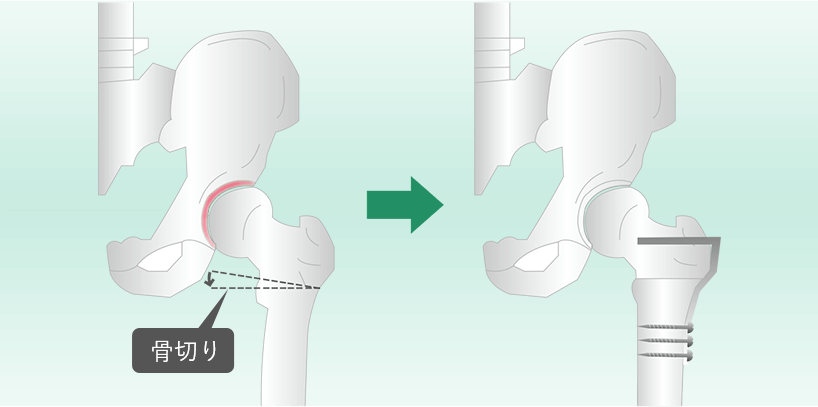
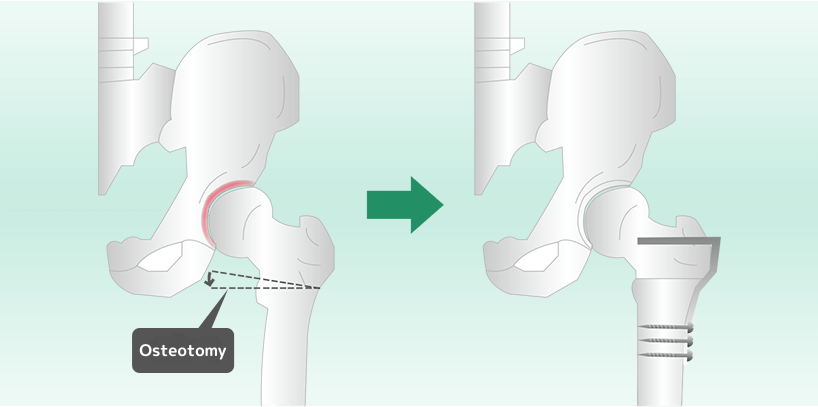
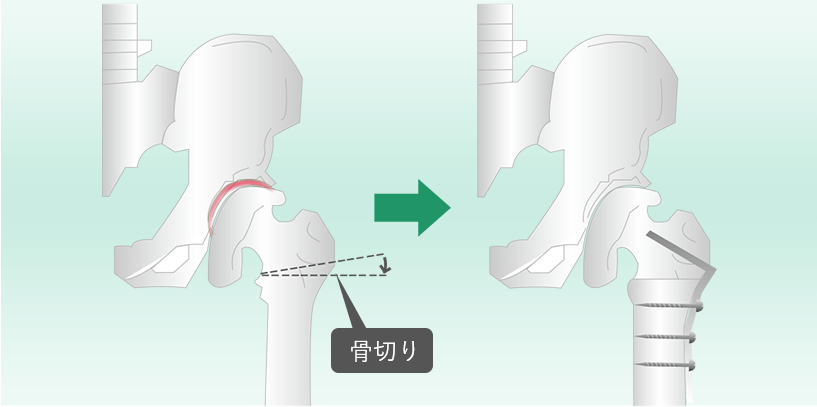
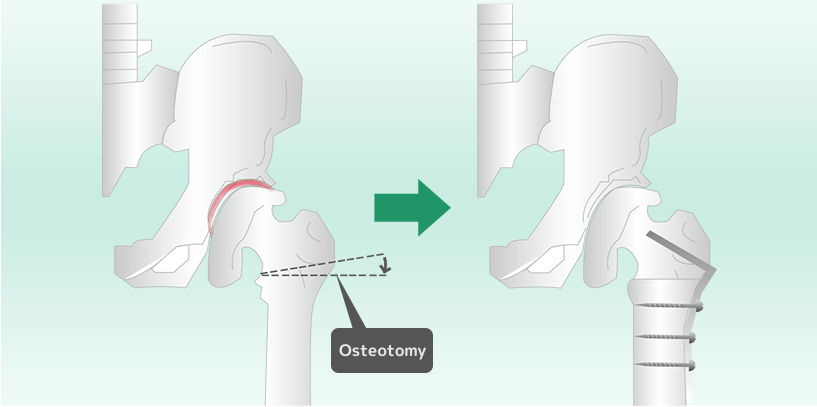
Internal and external osteotomy

Internal and external osteotomies are surgical procedures in which the transverse part of the femur is cut in a wedge shape to realign the head of the bone. This surgery is indicated when the head of the bone is flattened and deformed and the cartilage is worn away. It is indicated in the early to advanced stages of the disease, and the severed bone is fixed with a plate.

  • en bloc osteotomy

    en bloc osteotomy
    en bloc osteotomy

    Cut a wedge-shaped bone at the femoral condyle and tilt the femoral head inward

  • external osteotomy

    Treatment of the hip joint, external osteotomy
    Treatment of the hip joint, external osteotomy

    Cut a wedge-shaped bone at the femoral condyle and tilt the femoral head outward

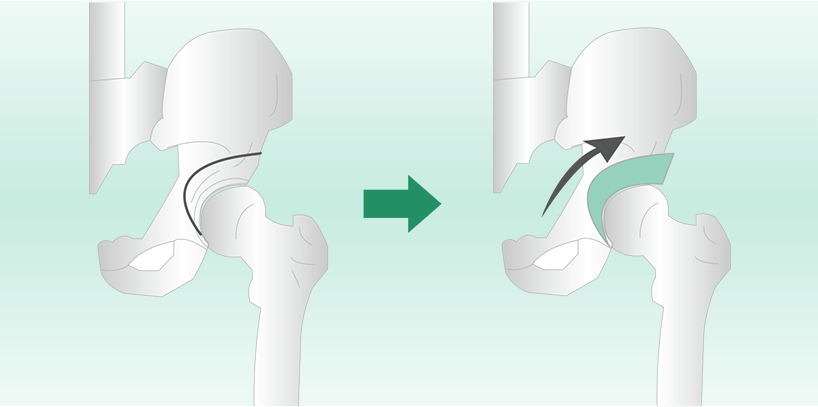
Acetabular rotational osteotomy (acetabular translocation)

Acetabular rotational osteotomy is a procedure in which the pelvic portion of the hip (acetabulum), which has little coverage, is hollowed out in a spherical shape and the joint is reshaped to cover the femoral head. This surgery is indicated for patients with severe acetabular dysplasia. It is performed for relatively early stages of osteoarthritis of the hip joint.

This surgery increases the likelihood of being able to live without an artificial joint in the future. However, since this surgery must be done in the early stages (mild pain) and the treatment time is about 6 months including hospitalization, the decision to have the surgery may be difficult.

  • acetabular rotational osteotomy

    acetabular rotational osteotomy

    The acetabulum of the pelvis covers the bony head protruding from the pelvis

Total hip arthroplasty (THA)

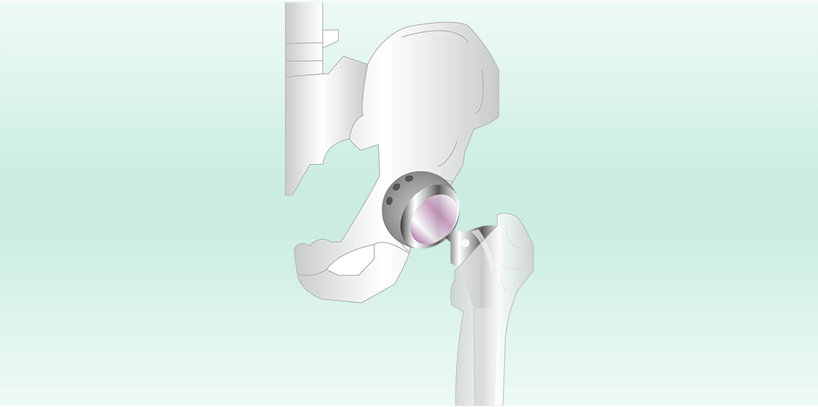
Total hip arthroplasty (THA) is a surgical procedure in which a cup is attached to the receiving portion, called the acetabulum, and a metal stem is fixed to the femoral side. Cement is used or not to fix the stem, depending on the condition of the joint and the patient's age.

Typically, after about 15 years, the implant may loosen and may require revision surgery. In revision surgery, the existing prosthesis is removed and a new one inserted. This surgery requires general anesthesia and usually requires approximately one month of hospitalization.

In some cases, however, the hospital stay may be extended to three months. An important caveat is the possibility of residual pain after artificial joint surgery.

  • hip replacement surgery

    Hip joint treatment, hip replacement

    A cup is placed on the acetabulum and a metal implant called a stem is fixed on the femoral side

At our clinic, we have been administering adipose-derived stem cells to patients suffering from hip pain and osteoarthritis of the hip. Many of them learned about our clinic while they were unsure about undergoing physically burdensome surgery and have since received the latest regenerative medicine.

They are very pleased to find that their pain was drastically reduced with just a simple injection, allowing them to avoid surgery.

I sincerely hope that, in the future, this regenerative medicine will become a widely recognized treatment option that can serve as an alternative to surgery.

I can't help but hope that this regenerative medicine will be widely used as an alternative to surgery in the future.

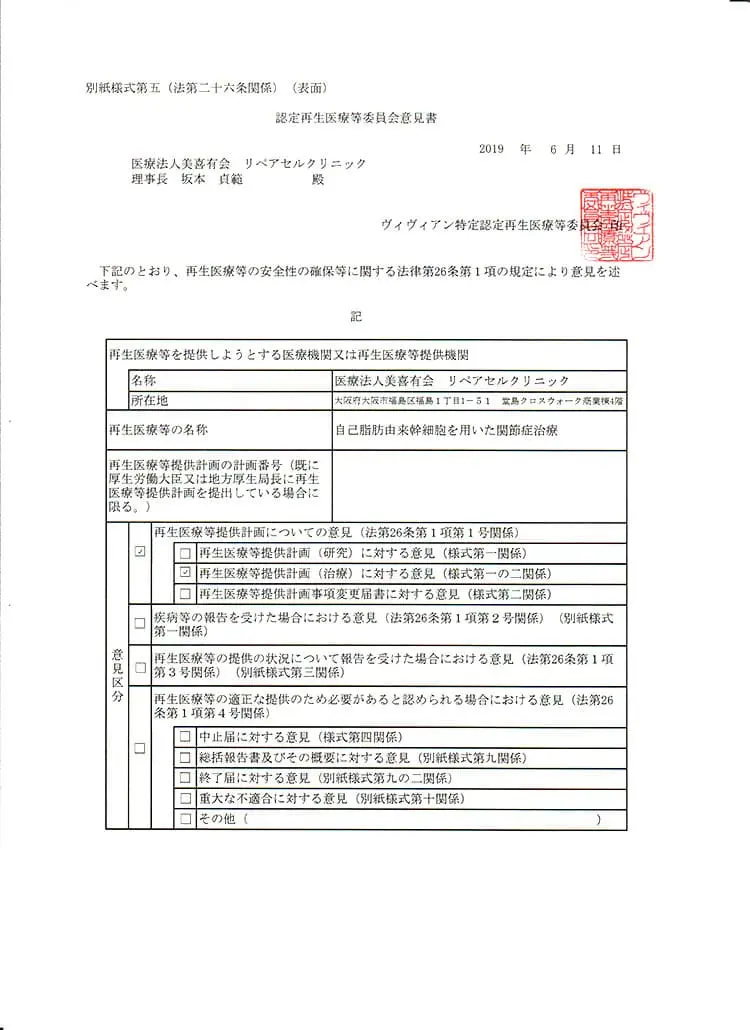
Medical institutions notified by the Ministry of Health, Labor and Welfare

Type II and Type III regenerative medicine, etc.
Plan of provision Notified

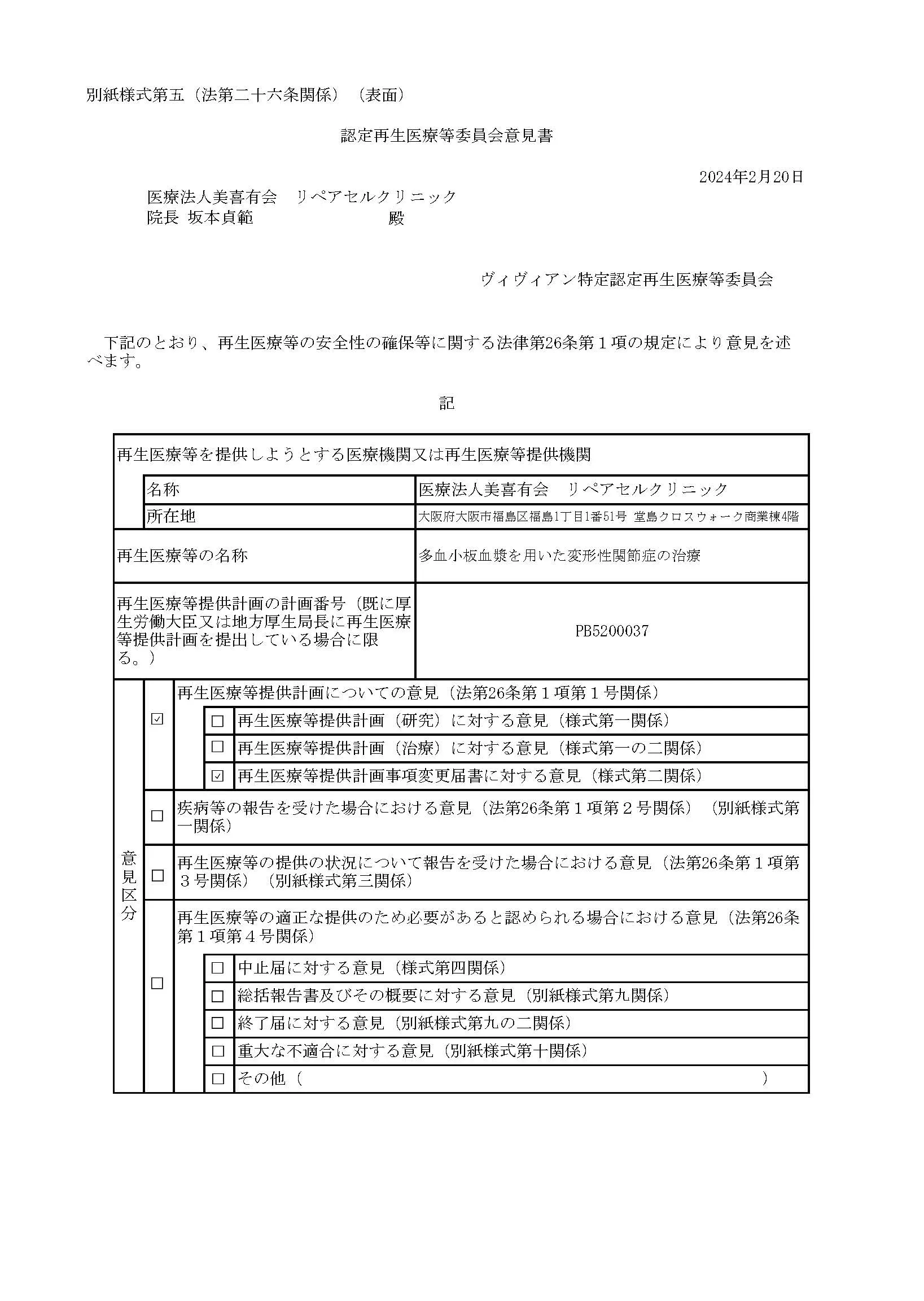
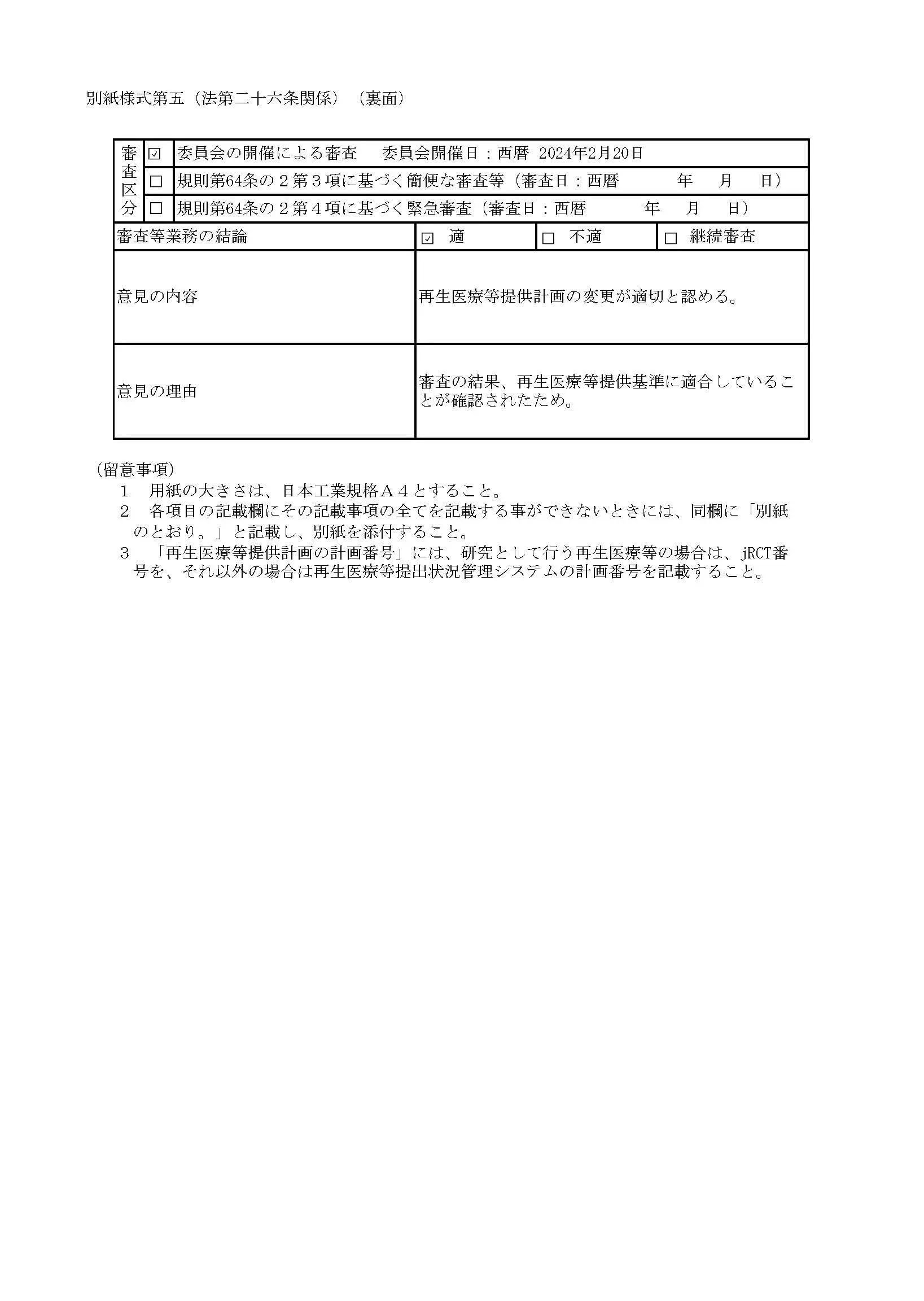
Repair Cell Clinic has submitted a Type 2 and Type 3 Regenerative Medicine Provision Plan to the Ministry of Health, Labour and Welfare, which has been accepted.

  • Ministry of Health, Labour and Welfare, Ordinance for Enforcement of the Act on Safety Assurance of Regenerative Medicine, etc., Notification Document "Treatment of Osteoarthritis Using Autologous Fat-derived Stem Cells".
  • Ministry of Health, Labour and Welfare, Ordinance for Enforcement of the Act on Safety Assurance of Regenerative Medicine, etc., Notification Document "Treatment of Osteoarthritis Using Autologous Fat-derived Stem Cells".

Using autologous adipose-derived stem cells to treat
osteoarthritis

  • Ministry of Health, Labour and Welfare, Ordinance for Enforcement of the Act on Safety Assurance of Regenerative Medicine, etc., Notification Document, "Treatment of Osteoarthritis of the Knee Using Polyplatelet Plasma (PRP)".
  • Ministry of Health, Labour and Welfare, Ordinance for Enforcement of the Act on Safety Assurance of Regenerative Medicine, etc., Notification Document, "Treatment of Osteoarthritis of the Knee Using Polyplatelet Plasma (PRP)".

Treatment of Osteoarthritis with Polyplatelet Plasma (PRP)

Our clinic provides cutting-edge regenerative medicine using autologous stem cells, one of the few in Japan, for "osteoarthritis," "stroke," "diabetes," "liver disorders," and "skin regeneration," as well as intra-articular administration of PRP (platelet-rich plasma) under the Regenerative Medicine Safety Assurance Act, as a free medical service. Regenerative medicine is subject to strict review by the Ministry of Health, Labour and Welfare (MHLW), and a treatment plan can be submitted to the MHLW only when the appropriateness, safety, and physician system of the treatment are deemed appropriate.

Repair Cell Clinic for Regenerative Medicine TOPtop